Adventurer Trainer
Play Adventurer Trainer
Adventurer Trainer Screenshots







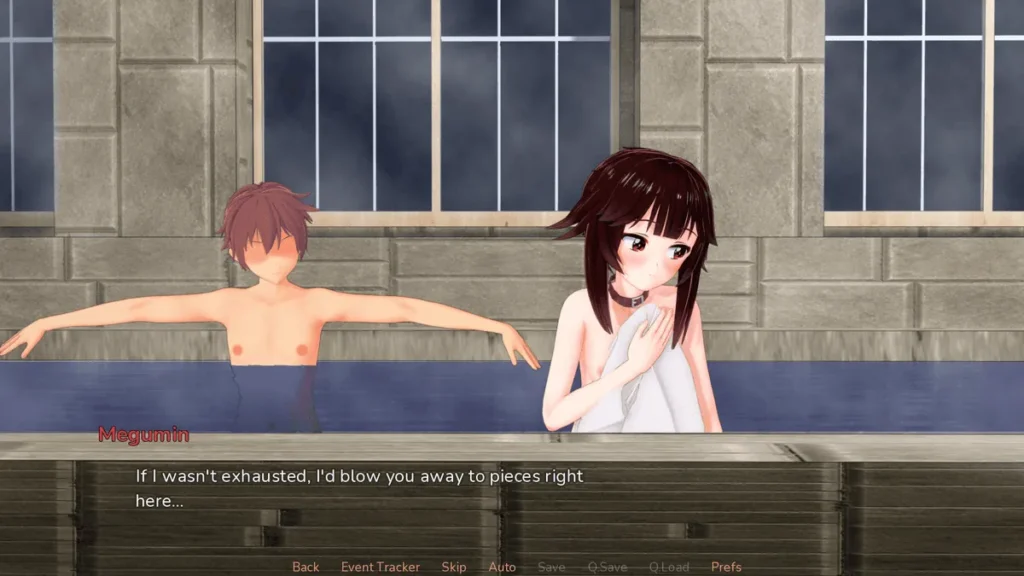
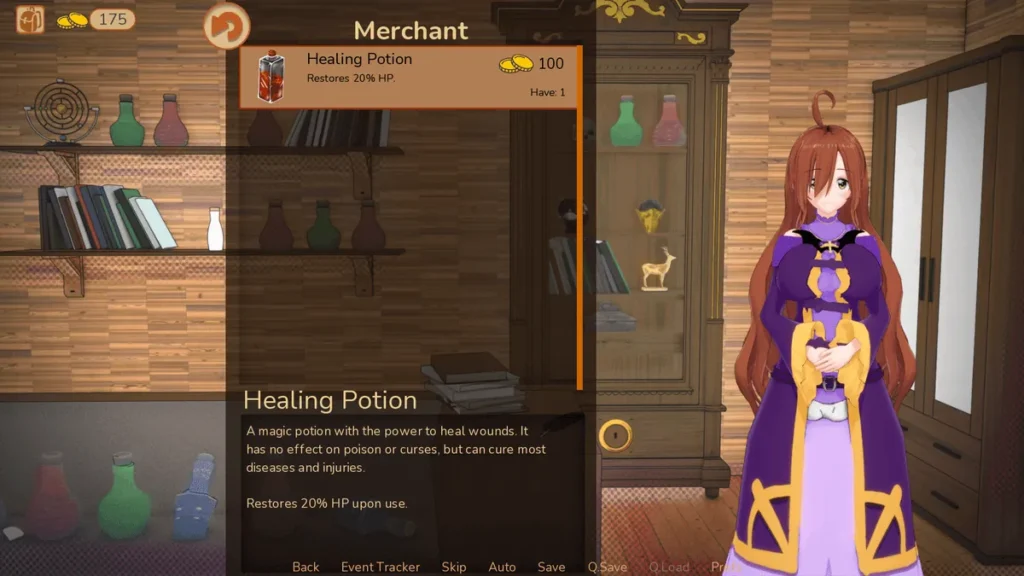

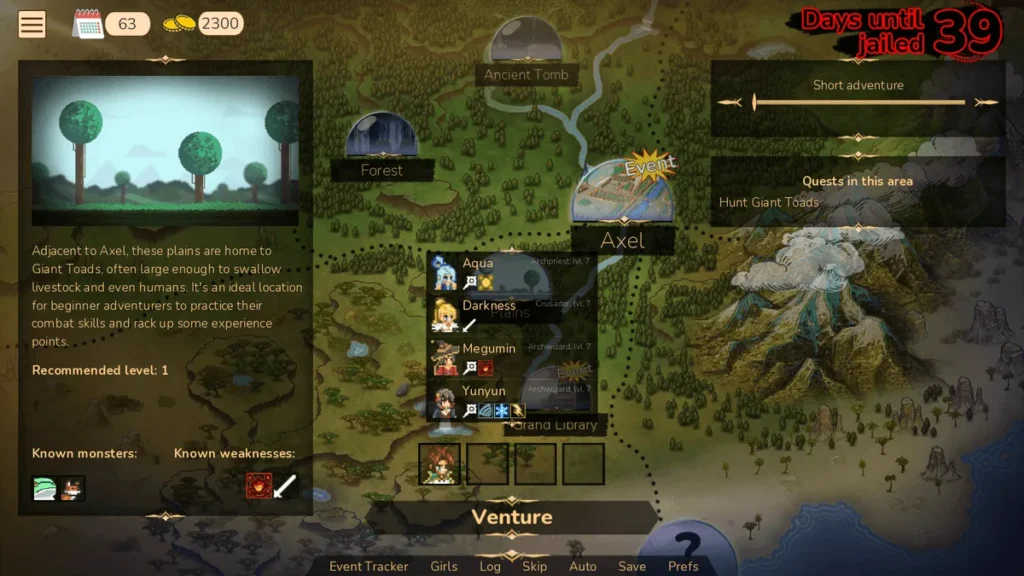
Adventurer Trainer review
Explore the Dating Sim RPG with Combat, Story & Sandbox Gameplay
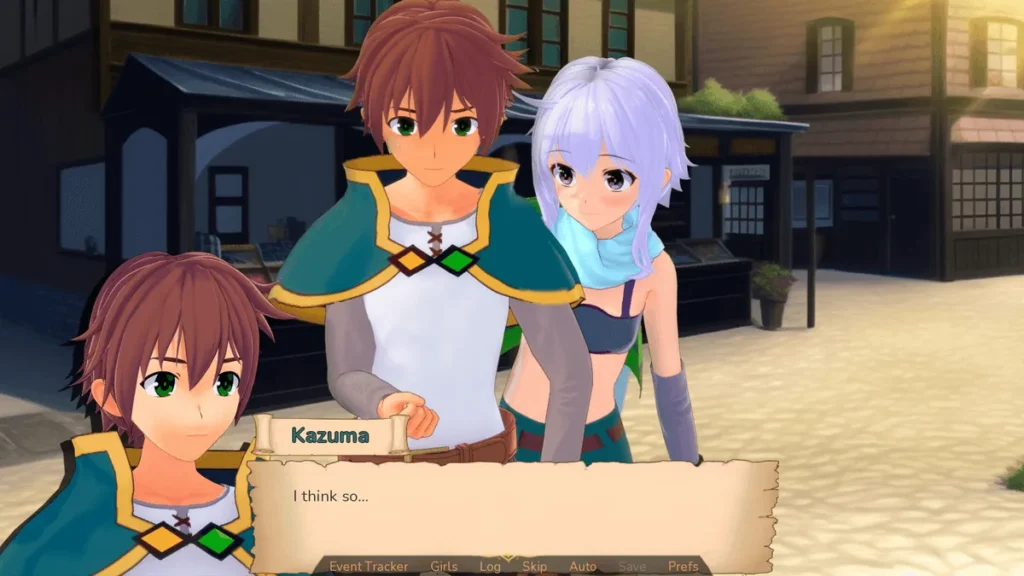
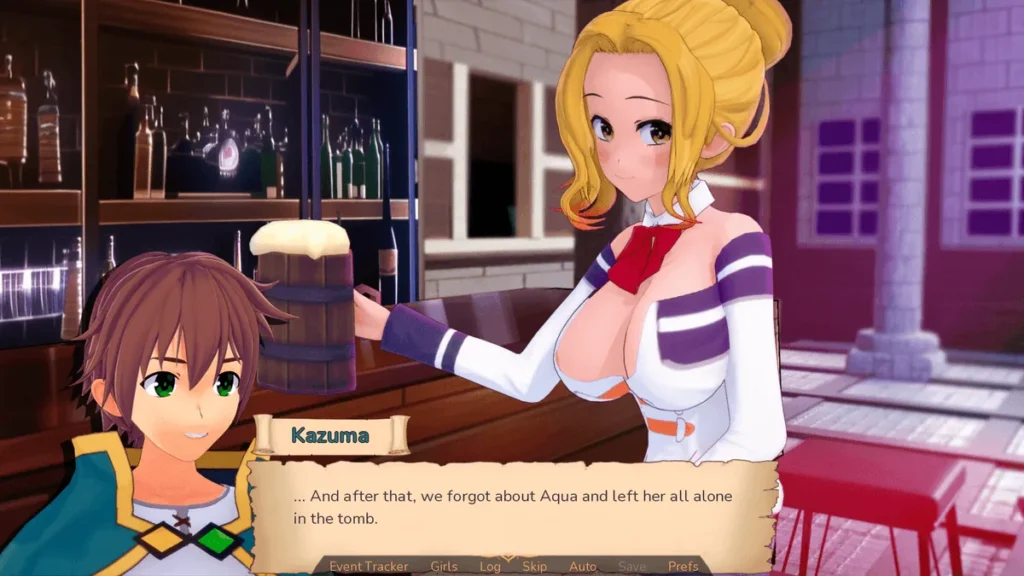
Adventurer Trainer stands out as a unique blend of dating simulation, visual novel storytelling, and RPG combat mechanics. This free fan-made title draws inspiration from Konosuba and other anime properties, offering players a non-linear sandbox experience where choices genuinely matter. Whether you’re interested in character relationships, dungeon exploration, or strategic combat encounters, this guide covers everything you need to know about what makes Adventurer Trainer a compelling gaming experience. With over 160,000 words of content, 115 events, and dynamic gameplay systems, there’s substantial depth to discover.
Gameplay Mechanics & Core Systems
Ever feel like you’re just going through the motions in a game? 🎮 You enter a dungeon, you mash the same attack button until the enemy falls over, you collect your reward, repeat. I’ve been there, and honestly, it gets old. That’s why the moment I booted up Adventurer Trainer and its unique Adventurer Trainer combat system clicked for me, I was hooked. It’s a brilliant blend of classic, turn-based jRPG gameplay mechanics and a modern, player-driven sandbox exploration game. It doesn’t just tell a story; it lets you live one, where every choice—from who you spend your afternoon with to how you approach a battle—truly matters.
This chapter is your deep dive into the heart of what makes this game tick. We’ll break down the strategic combat, the satisfying character progression RPG loops, and the freedom of its sandbox world. Whether you’re a tactician looking for your next fix or a storyteller who loves getting lost in a world, there’s something here for you. Let’s jump in! ⚔️📖
Combat System: Strategy Meets Accessibility
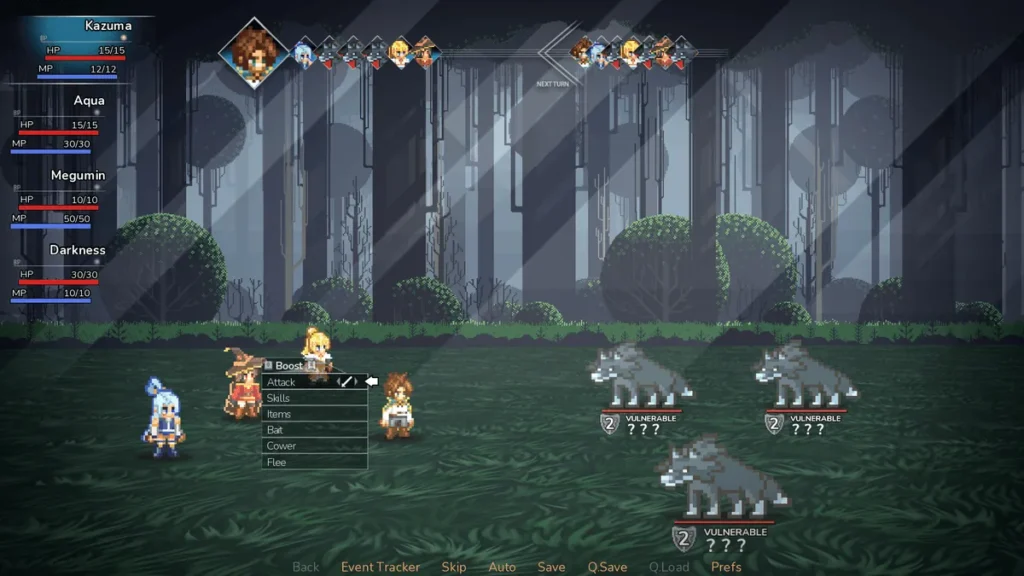
Remember that feeling of pure satisfaction when you solve a tricky puzzle? That’s the exact vibe Adventurer Trainer captures in every single encounter. This isn’t about who has the biggest stats; it’s about outsmarting your opponent. The core of this tactical combat guide revolves around one genius mechanic: the Shield System.
Every enemy you face, from a lowly slime to the terrifying Skeleton King, is protected by a colored shield. You can whack away at their health all day, but you’ll do pitiful damage. The real goal is to break that shield by hitting it with the correct damage type. See a red shield? Use fire magic or a fiery weapon. A blue shield? That calls for water or ice. It turns every fight into a delightful little puzzle 🧩.
Here’s a personal story: I stumbled into a cave early on, confident with my newly purchased steel sword. I faced a rock creature with a glaring yellow (lightning) shield. My sword swings did almost nothing, and it was slowly pounding my party into dust. I was about to reload when I remembered a basic lightning spell I’d ignored. One cast shattered its shield, it staggered, and that’s when the game’s second masterpiece mechanic kicked in: the All-Out-Attack.
Pro Tip: Always scan enemies with the ‘Analyze’ skill at the start of a fight. Knowing the shield color is half the battle won!
Breaking an enemy’s shield doesn’t just remove their defense—it stuns them and makes them vulnerable. When this happens, you can unleash a devastating, cinematic team assault called an All-Out-Attack. Think of it as your reward for solving the combat puzzle. The screen lights up, your whole party rushes in for a coordinated beatdown, and you’ll often finish the fight right then and there. It’s incredibly empowering and keeps Adventurer Trainer combat system feeling snappy and rewarding, not grindy.
The game masterfully uses this system to create variety. You’ll face groups with mixed shield colors, forcing you to think about your party’s ability spread. You’ll meet minibosses whose shields regenerate after a turn, pushing you to burst them down quickly. The boss encounters, like the aforementioned Skeleton King, are fantastic tests of everything you’ve learned, often requiring precise timing and resource management. Loot drops are tied to performance, too—finishing a fight quickly and without taking much damage often yields better rewards, encouraging smart play over brute force.
To make sure you’ve got the essentials down, here’s a quick checklist of key combat mechanics:
- The Shield Puzzle: 🛡️ Identify the color, match the damage type (Fire, Water, Earth, Lightning, etc.).
- The All-Out-Attack Payoff: 💥 Triggered by breaking a shield. Your chance to deal massive, fight-ending damage.
- Action Economy: Your Skill Points (SP) are precious. Balancing powerful shield-breaking skills with basic attacks is key.
- Positional Awareness: Some skills affect all enemies, while others target specific rows. Party placement can matter!
- The Analyze Command: 🕵️♂️ Your best friend. Use it at the start of every new enemy encounter.
This elegant system is what makes the jRPG gameplay mechanics here feel so fresh. It’s accessible enough to understand in minutes but has the strategic depth to engage you for dozens of hours.
Character Progression & Party Building
What’s a great combat system without compelling characters to master? Adventurer Trainer delivers a character progression RPG experience that feels personal and impactful. This isn’t just about watching numbers go up; it’s about shaping your adventurers into a well-oiled machine tailored to your playstyle.
Each character in your roster levels up through combat, learning new active skills and passive abilities. But the real customization comes from equipment and your choices. Weapons and armor aren’t just stat sticks; they often come with inherent damage types or special effects. Giving a water-damage staff to your mage turns them into a specialist for breaking blue shields, for example. You can further augment gear with enchantments found during your sandbox exploration game endeavors, allowing for incredible build diversity.
This all feeds into the brilliant party composition strategy. You can’t just bring four damage dealers and call it a day. A balanced team is crucial for tackling the game’s varied dungeon crawling mechanics. You’ll want a sturdy front-liner to absorb hits, a healer to keep everyone in fighting shape, and a mix of magical and physical attackers to cover all the possible shield colors. But “balanced” doesn’t mean “same-y.” Maybe you prefer a party that focuses on landing critical hits to quickly break shields. Or perhaps you build a team that inflicts status ailments to control the battlefield. The game supports these experiments.
I learned this the hard way on my first run. I stacked my party with my favorite characters, who all happened to specialize in fire and physical damage. We crushed anything with a red shield but hit a literal wall against a dungeon full of blue-shielded water spirits. I had to retreat, rethink my strategy, and spend a few in-game days training up a different party member with the right skills. That setback wasn’t frustrating—it was a fun challenge that made my world feel alive and reactive.
Your role as the “Trainer” is central. You decide who goes on adventures, what they train in during downtime, and even who you bond with over a meal. These bonds can unlock powerful combo attacks in battle, adding a whole social-strategic layer to your party composition strategy. Do you spend time with the powerful but aloof warrior to unlock a devastating team skill, or do you hang out with the cheerful healer to improve your team’s survivability? The choice, as always, is yours.
Sandbox Exploration & Time Management
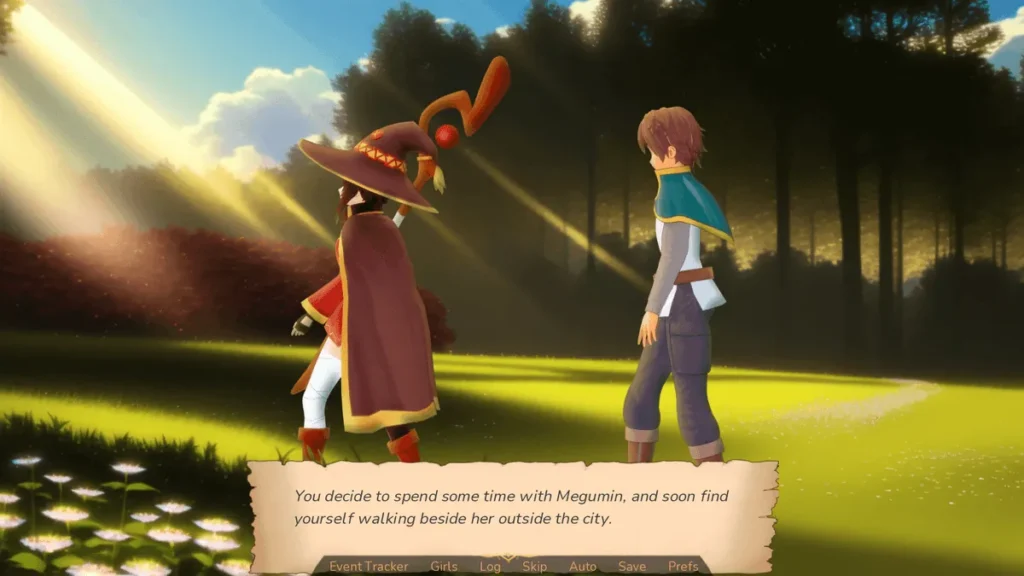
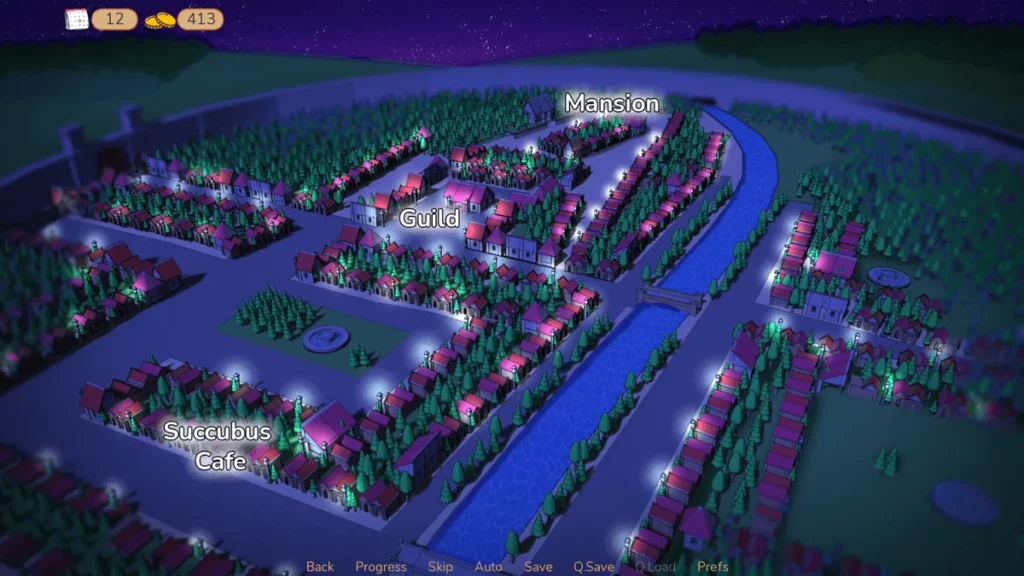
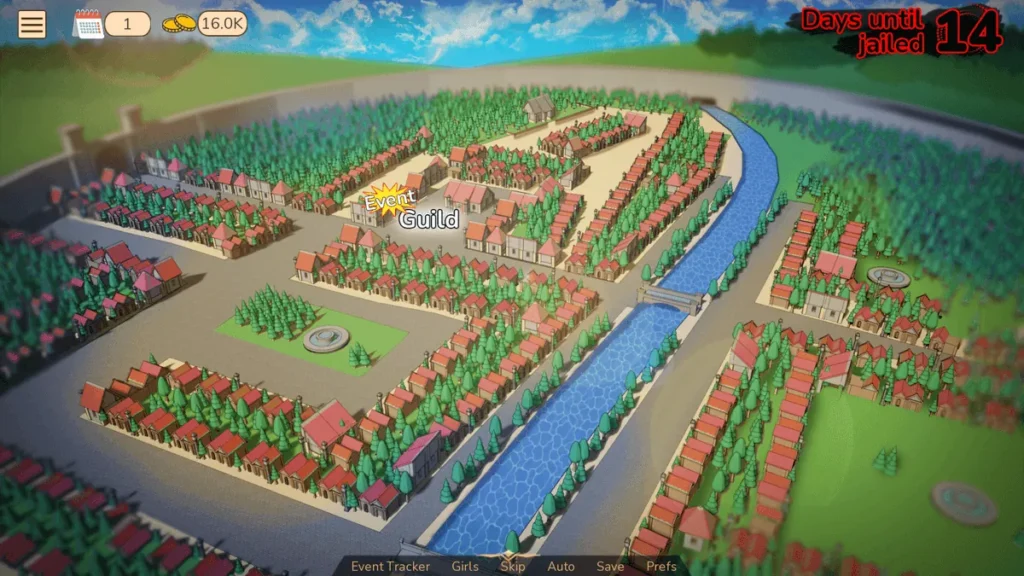
If the combat is the game’s brilliant brain, the sandbox world is its boundless heart. Adventurer Trainer truly shines as a sandbox exploration game because it hands you the reins and says, “Go live your fantasy life.” 🗺️ There is no linear path dragging you from plot point to plot point. Instead, the game runs on a weekly calendar, and you have a limited number of time blocks (days) to spend each week.
This is where the magic of player agency comes alive. Every morning, you look at your calendar and ask: What do I want to do this week? Your choices directly shape your experience, the story, and your party’s strength.
- Adventuring (5 Days): This is the core of the dungeon crawling mechanics. You pick a destination—each with unique enemies, environments, and secrets—and embark on an expedition. This is your primary source of combat experience, loot, and story progression. Do you revisit an old dungeon to farm for crafting materials, or brave a new, dangerous area for a rare weapon?
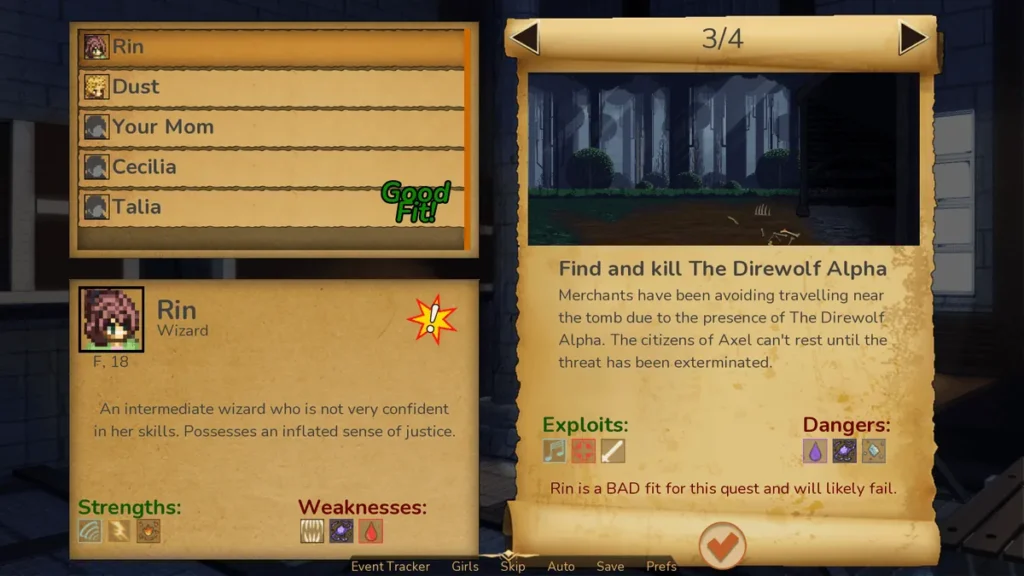
- Guild Work (3 Days): Short on cash? Need a break from monster slaying? Head to the guild and work the reception desk. This isn’t just a simple menu; it’s a fun, written minigame where you match client requests with the right adventurers for the job. It’s a fantastic way to earn gold and learn more about the game’s world and characters.
- Fishing & Minigames: 🎣 Sometimes, the best way to prepare for an epic quest is to spend a quiet day by the lake. Fishing provides resources for cooking (which gives powerful buffs) and can be surprisingly relaxing. Other minigames are sprinkled throughout, offering delightful breaks from the main loops.
- Spending Time with Characters: This might be the most important choice. Taking a character to the cafe, giving them a gift, or just chatting in the guild bar deepens your relationship. These bonds unlock new dialogue, personal story quests, and those crucial combat combo abilities I mentioned earlier.
The non-linear nature is breathtaking. The story unfolds based on where you go, who you befriend, and what quests you prioritize. Dialogue options change based on your reputations and relationships. Loot isn’t just random; exploring every nook of a dungeon or choosing a specific path during an event can yield unique rewards. I’ve replayed sections just to see how choosing a different party member for a story mission changes the interactions, and it often does—significantly!
To help you visualize how to spend your precious time, here’s a breakdown of the core weekly activities:
| Activity | Time Cost | Primary Rewards | Best For… |
|---|---|---|---|
| Dungeon Adventuring | 5 Days | Combat EXP, Gold, Equipment, Story Progress | Leveling up, gearing your party, advancing the main plot. |
| Guild Reception Work | 3 Days | Gold, Guild Reputation, World-Building Lore | Earning quick money between expeditions, low-risk gameplay. |
| Fishing | 1 Day | Fish (for cooking/crafting), Relaxation, Minor Gold | Gathering resources for buffs, taking a peaceful break. |
| Social Events / Gifting | 1 Day | Relationship Points, Character Stories, Unlockable Combat Skills | Deepening bonds, unlocking powerful team attacks and narrative arcs. |
| Training / Shopping | 1 Day (varies) | Skill Improvements, New Gear, Consumables | Targeted character improvement and preparation for tough dungeons. |
This constant, meaningful choice is the soul of the game. There’s no single “right” way to play. One week you might be a relentless explorer, delving deep into ancient ruins. The next, you might be a social butterfly, strengthening your team’s bonds in town. This sandbox exploration game structure ensures that your journey through Adventurer Trainer is uniquely, wonderfully your own. It’s a world that waits for you to write your story in it, one strategic choice at a time.
Adventurer Trainer successfully merges multiple gaming genres into a cohesive experience that appeals to players seeking both engaging gameplay and compelling storytelling. The game’s strength lies in its balance between accessible mechanics and strategic depth, combined with meaningful character interactions and a continuously expanding narrative. Whether you’re drawn to the tactical combat system, the relationship-building aspects, or the sandbox exploration, Adventurer Trainer offers substantial content with regular updates adding new story elements, characters, and features. The free availability across multiple platforms makes it accessible to a wide audience, while the active development ensures the game continues to evolve. If you’re interested in visual novels with RPG elements and character-driven narratives, Adventurer Trainer deserves a place in your gaming library.