Play After the Inferno
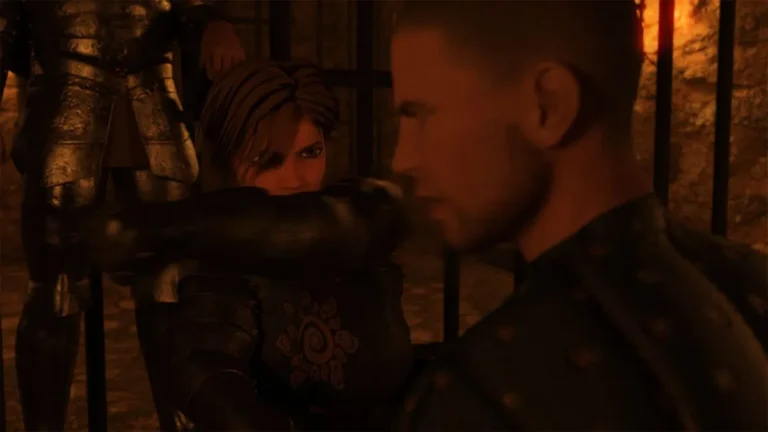
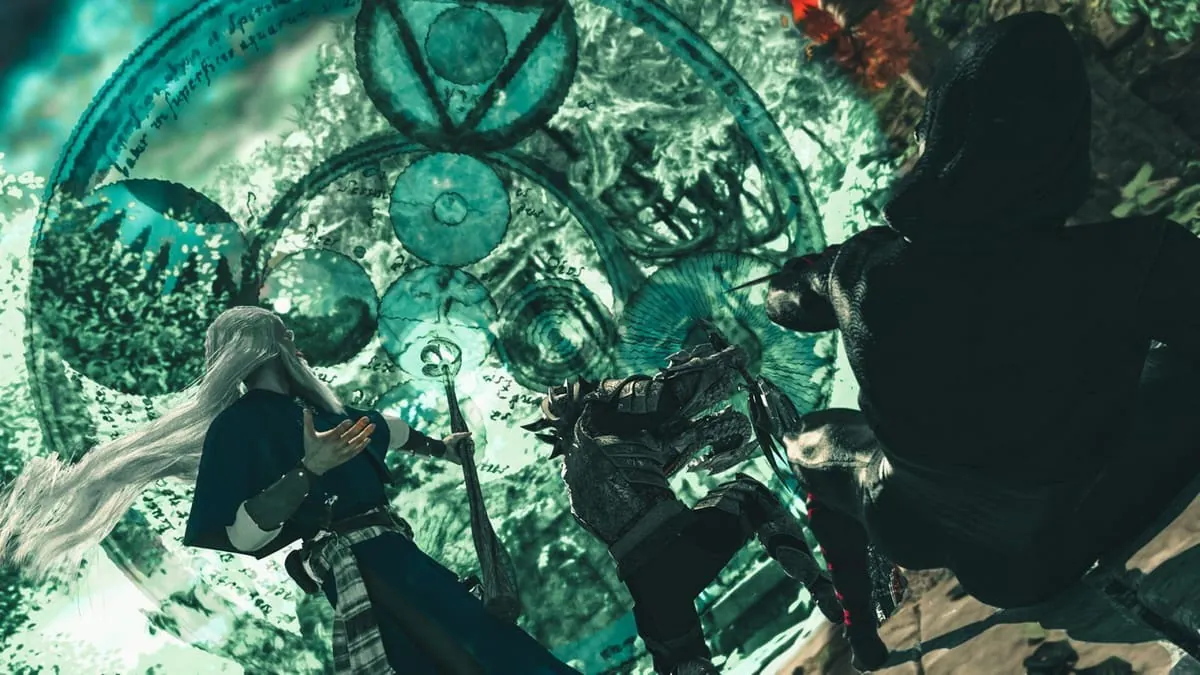
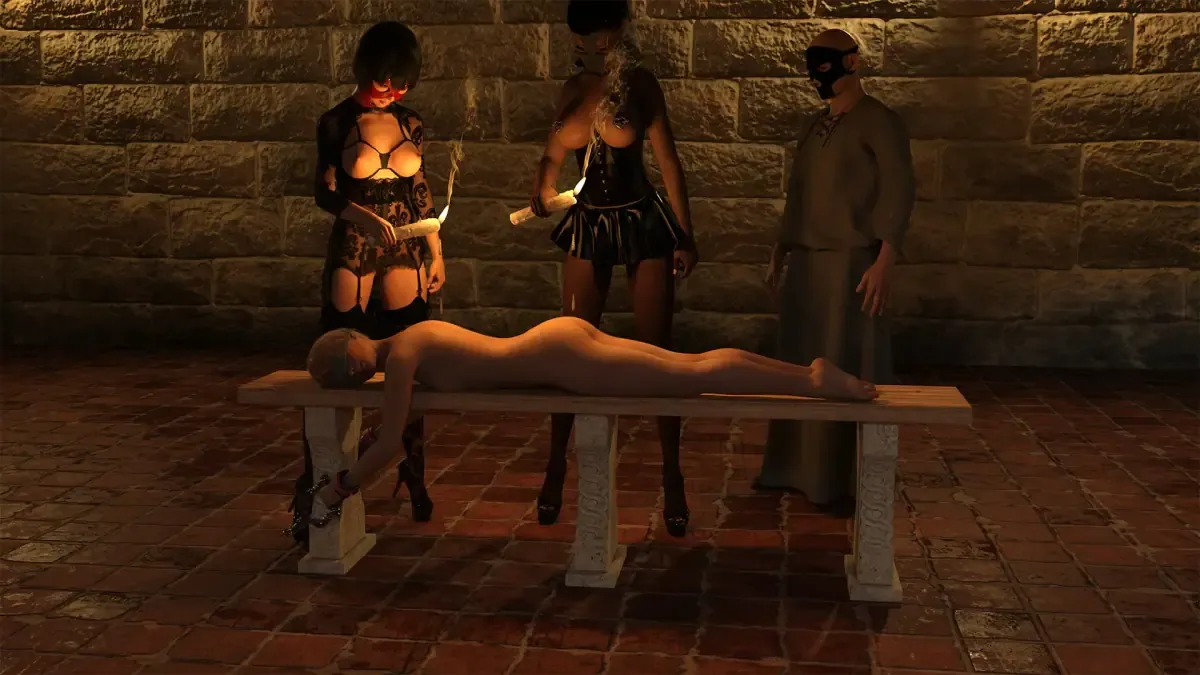
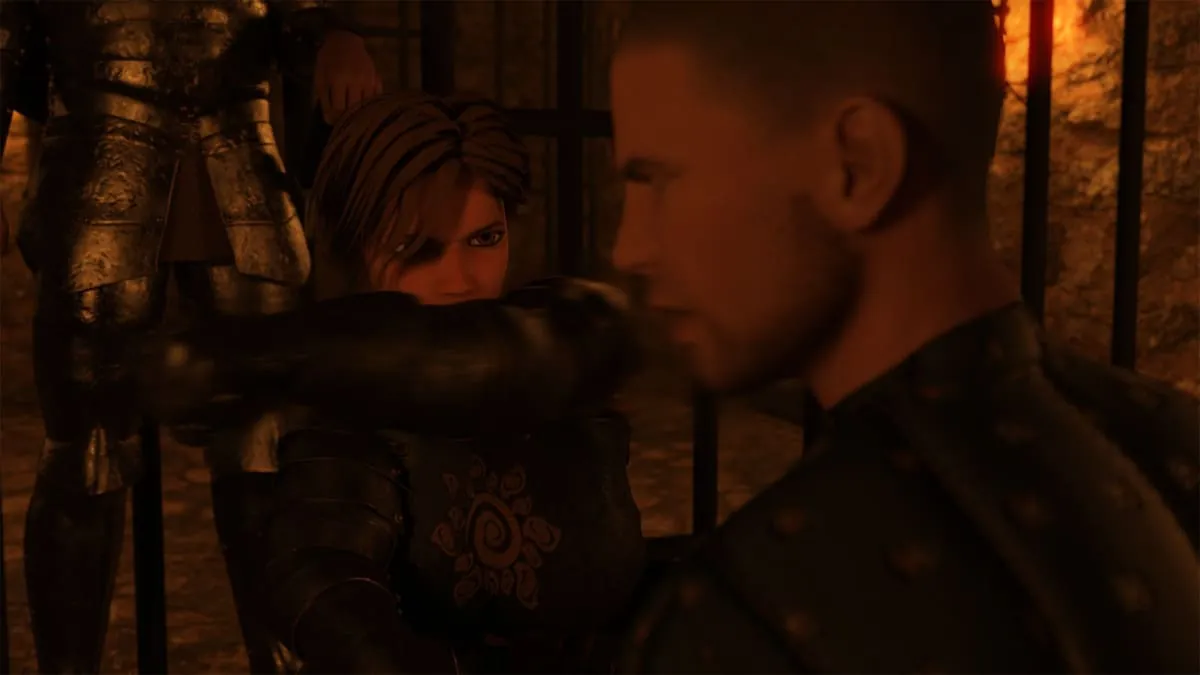
After the Inferno Screenshots
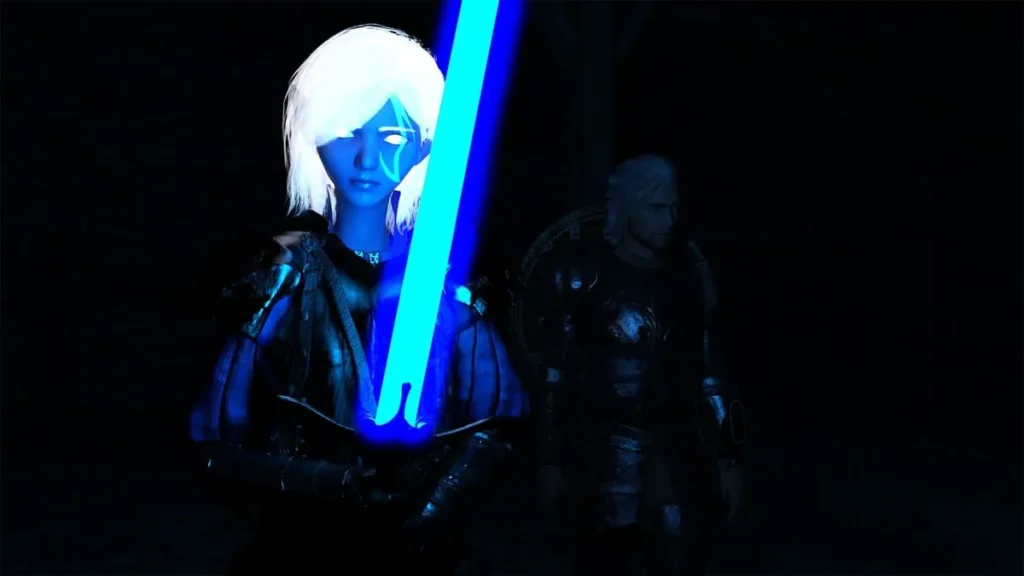
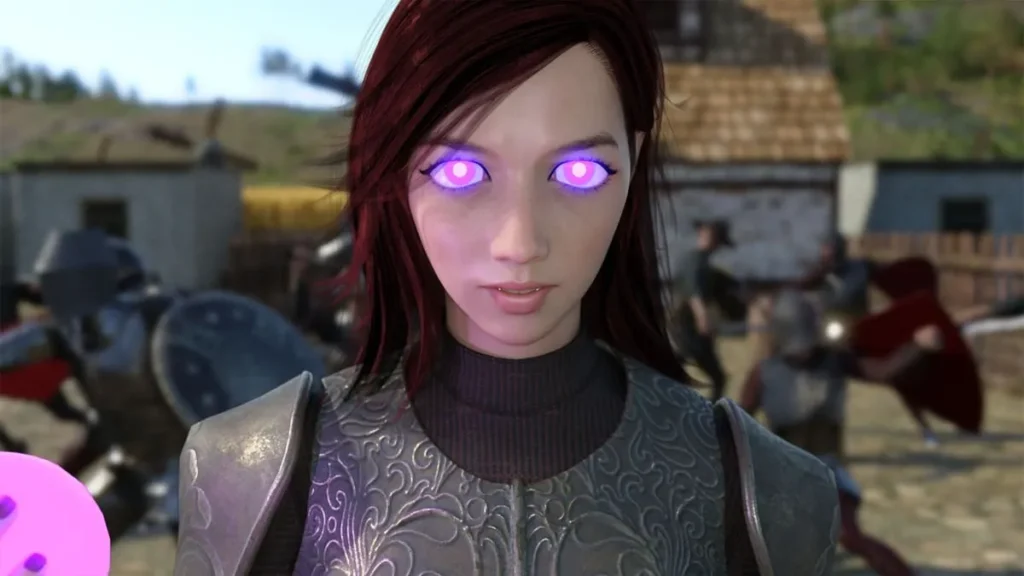
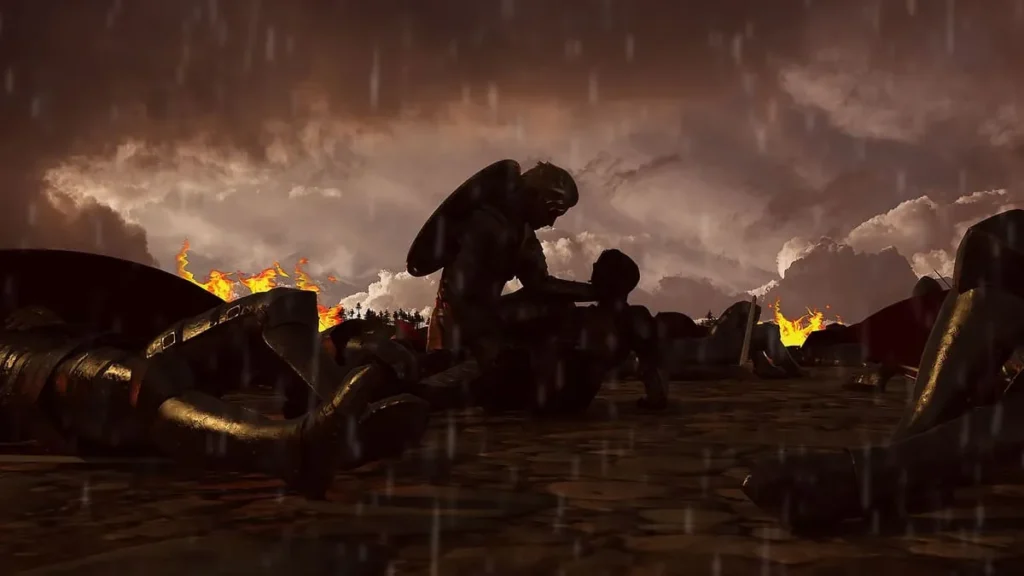

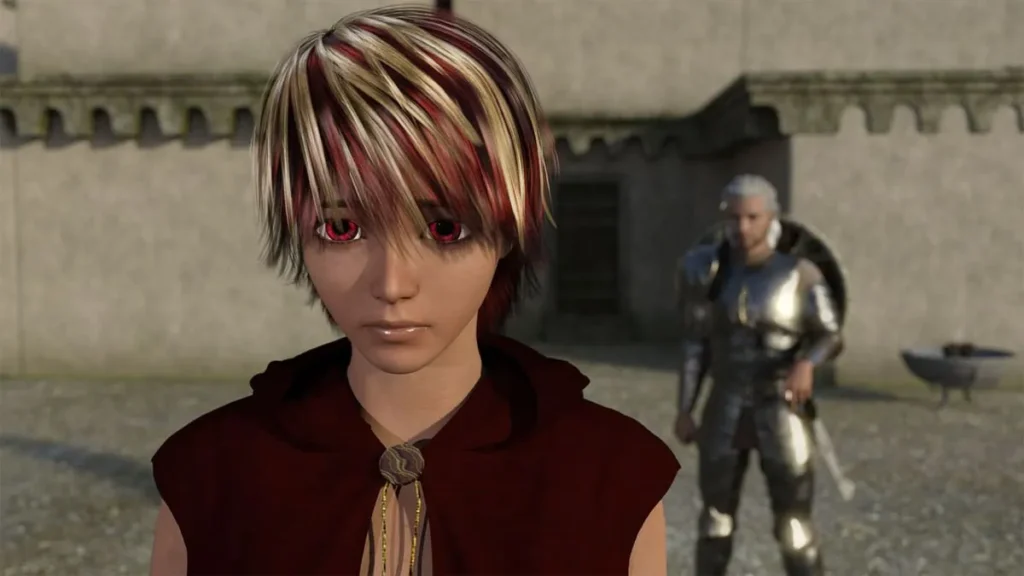
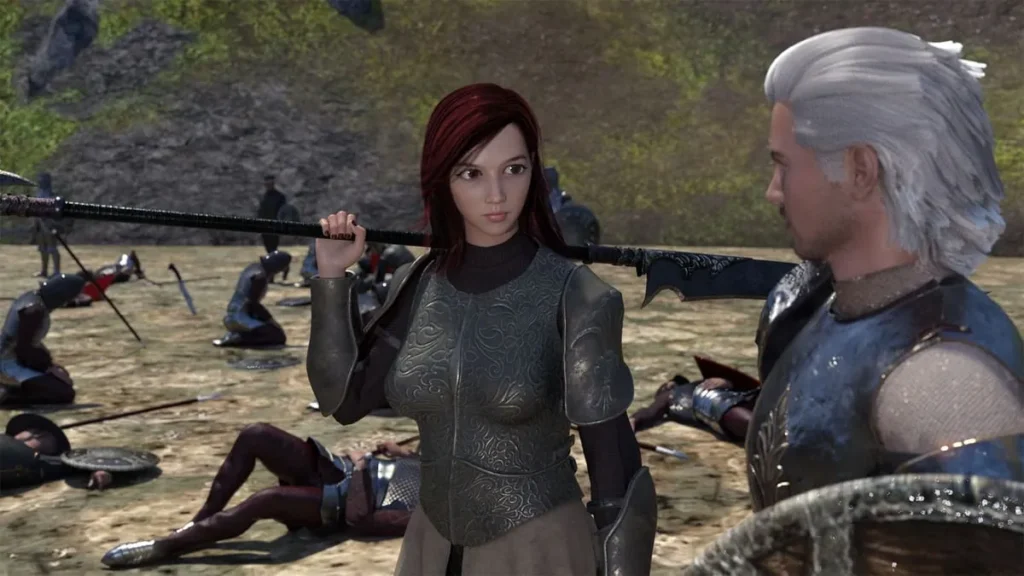
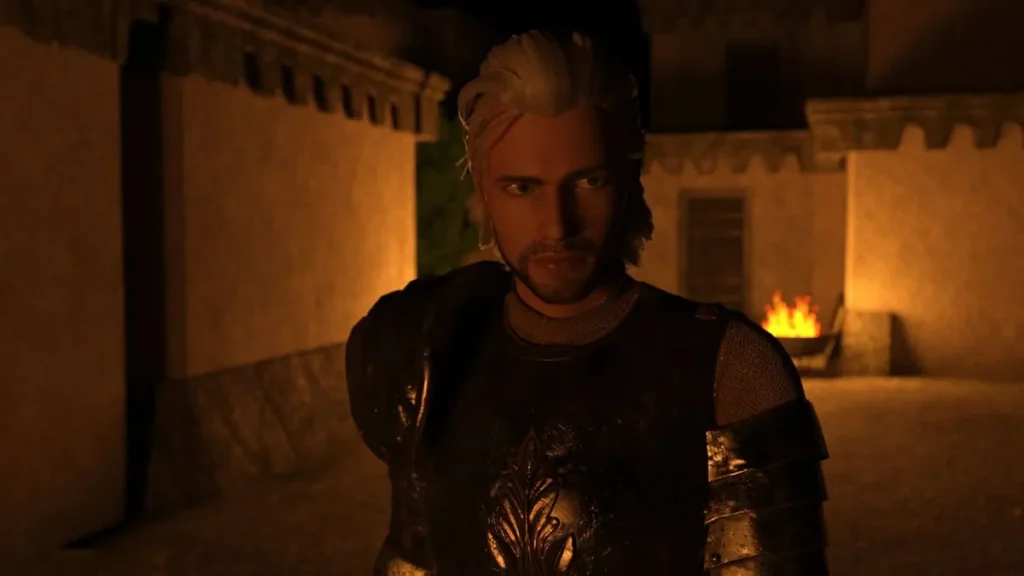

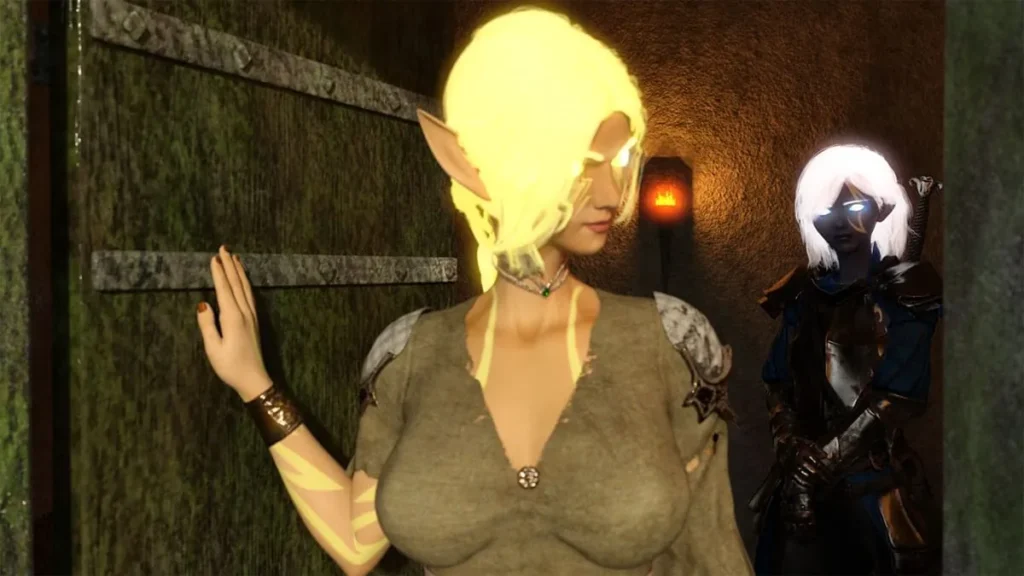
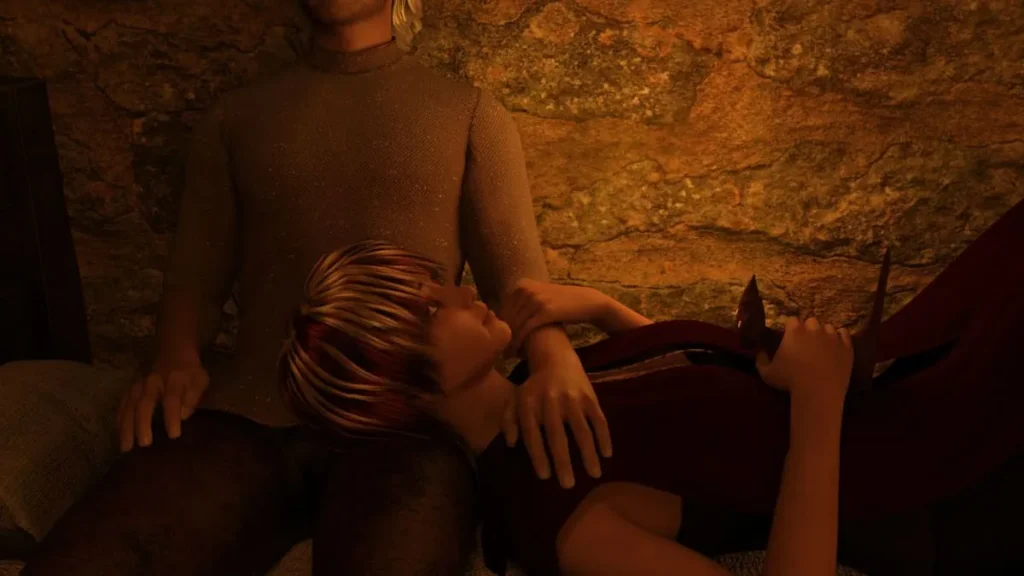
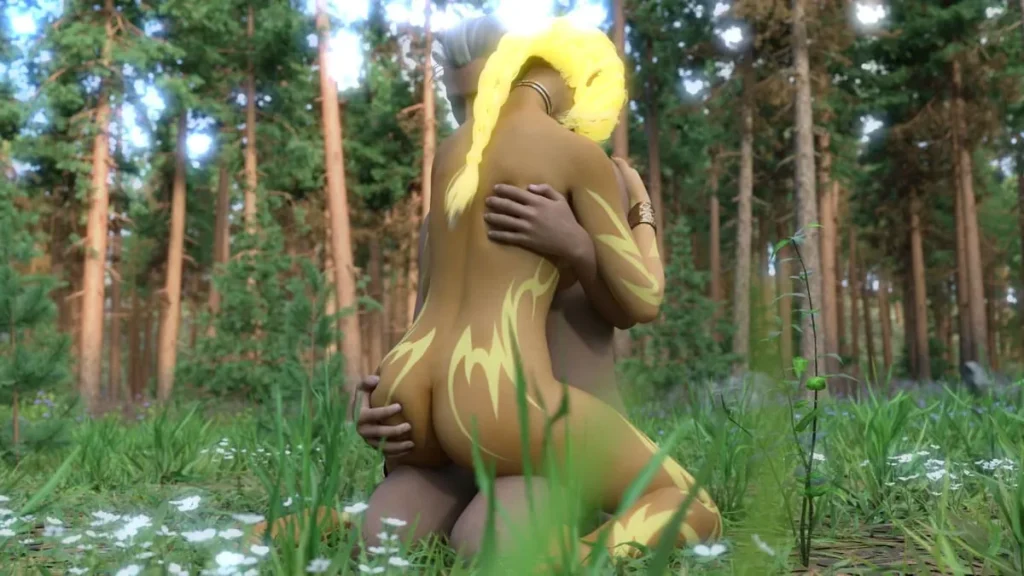
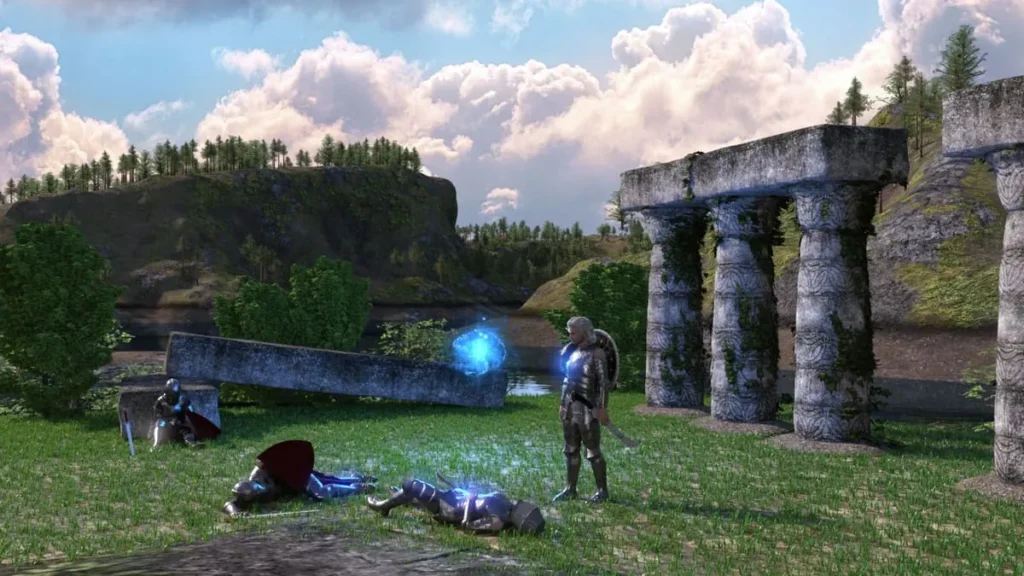
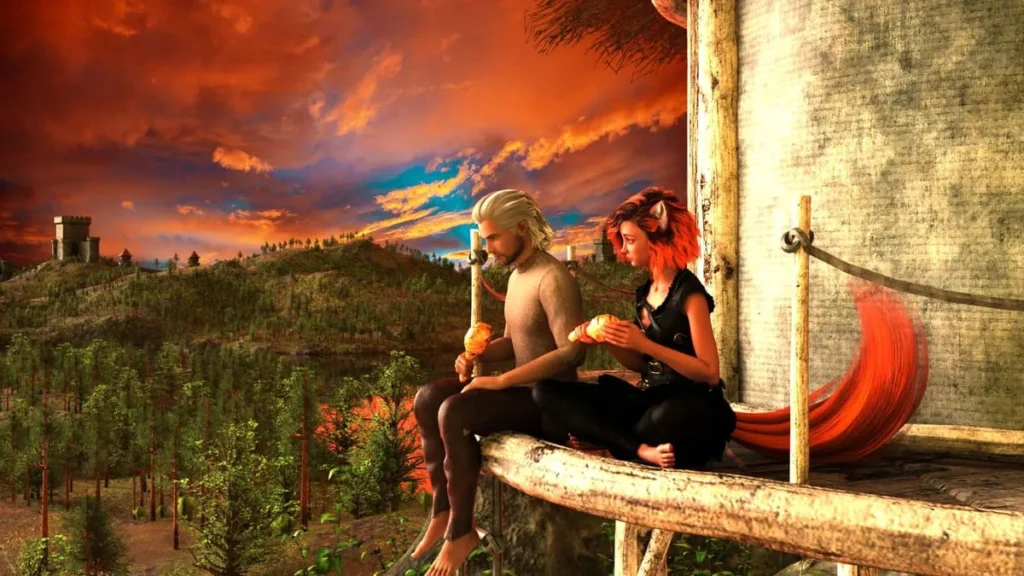
After the Inferno review
Story, Characters, Choices, and Gameplay Features Explained
After the Inferno stands out as a mature visual novel that blends narrative depth with player choice mechanics. This game offers players an immersive experience where story progression and character development take center stage, complemented by optional intimate scenes that enhance the overall narrative. Whether you’re interested in understanding the game’s branching storylines, character dynamics, or gameplay features, this guide provides everything you need to know about this unique visual novel experience.
Understanding After the Inferno: Story, Setting, and Core Gameplay
Ever found yourself clicking through a visual novel, feeling like your choices are just an illusion? 😕 You pick a daring dialogue option, only for the story to railroad you back onto the same track five minutes later. It’s a common gripe, and one that left me skeptical when I first heard about After the Inferno visual novel. I went in expecting another pretty story with predetermined outcomes. What I found, instead, was a narrative experience that genuinely listens, remembers, and reacts. This isn’t just a story you read; it’s a world you shape through every conversation, every alliance, and every moral dilemma you face.
The game places you in the worn boots of Devran, a mercenary with a past as scarred as the war-torn continent he navigates. Your perspective is locked to his, creating an intensely personal journey. You’re not an omniscient observer; you only know what Devran knows, and you only feel what he allows himself to feel. This first-person intimacy is the bedrock of the game’s incredible visual novel story depth. You’re not saving a generic fantasy kingdom; you’re fighting for your own survival, reputation, and chance at redemption in a land that has very little left to give. Every piece of lore, every historical conflict, filters through Devran’s pragmatic, often cynical, worldview, making the political intrigue feel immediate and personal.
What Makes After the Inferno Different From Other Visual Novels
So, what sets this mature visual novel experience apart from the crowd? 🎭 It starts with a fundamental respect for the player’s intelligence and agency. Many games tout “branching narratives,” but After the Inferno delivers a cascade of consequences that fundamentally alter your path. I remember one early playthrough where I made a seemingly minor choice to trust a certain character with a piece of information. I didn’t think much of it until, hours later, that decision exploded in a way that completely locked me out of a major story arc and turned a potential ally into a bitter enemy. The game doesn’t just have different endings; it has different middles, shaped irrevocably by your actions.
Furthermore, the game handles its mature themes with a nuance that’s often missing from the genre. This maturity isn’t merely a content rating; it’s a narrative philosophy. The world of After the Inferno is brutal, complex, and morally grey. Characters have layered motivations, relationships are built on shifting sands of trust and necessity, and intimate scenes are treated as an optional, narrative-driven component rather than a mandatory reward. They exist to deepen character bonds when you choose to pursue them, but the game never punishes you for focusing solely on the political intrigue, tactical survival, or pure exploration of its rich lore. This approach creates a truly bespoke experience where you define what “maturity” means for your journey.
The commitment to player choice consequences is staggering. The game tracks an immense number of variables: your reputation with various factions, the personal trust you’ve built (or shattered) with each companion, and even seemingly fleeting dialogue choices. These aren’t just tracked for an end-game slide show; they actively open or close doors throughout the entire story. Want to play a ruthless mercenary who trusts no one? The story will accommodate that, offering paths of solitary cunning. Prefer to build a loyal crew and fight for a cause? Those options are there too, but they require consistent, deliberate choices to build those bonds. This isn’t a illusion of choice; it’s the foundation of the entire experience.
Game Mechanics and Player Choice Systems
Let’s break down the engine that powers this reactive world. The visual novel gameplay mechanics in After the Inferno are elegantly designed to put you in control of your journey, both narratively and practically. 🕹️ First, the save system: you have multiple save slots, and you are encouraged to use them liberally. This isn’t just a technical feature; it’s an invitation to experiment. Seeing a major story branch approaching? Save. About to make a risky romantic advance? Save. The game acknowledges that part of the fun is exploring the “what if,” and it gives you the tools to do so without fear of losing dozens of hours of progress.
The crown jewel of the interface is the Codex. This isn’t a throwaway lore menu. It’s a dynamic, living encyclopedia that fills up as you discover the world. Every major location, character, religion, and historical event you encounter gets a detailed entry. Stumbled upon a mention of the “Scarlet Maiden” in conversation? Later, when you finally piece together her history, the Codex updates, connecting the dots for you. This system is a masterclass in immersive storytelling. It allows the main narrative to stay focused and tense while providing a deep, optional well of world-building for players who want to fully understand the stakes. It respects your curiosity and rewards your attention to detail.
At the heart of everything is the character relationship system. Your interactions with your companions and key figures are not governed by a simple “affection points” meter. Instead, relationships evolve based on the sum of your actions, your demonstrated values, and your words in critical moments. Choosing to side with one faction over another will endear you to some characters and alienate others. Showing vulnerability or offering support in a private moment can deepen a bond in ways that generic compliment options never could. The system understands that trust is built on consistency and shared experience, not just on picking the “nice” dialogue option every time.
To clearly see how these mechanics redefine the genre, let’s look at this comparison:
| Feature | Traditional Visual Novel | After the Inferno |
|---|---|---|
| Choice & Consequence | Often linear or with minor branching that reconverges. | Persistent, cascading player choice consequences that create wildly divergent narrative paths and endings. |
| Lore & World-Building | Typically delivered through exposition or mandatory reads. | Dynamic, unlockable Codex that organically grows with player discovery, adding depth without forced pacing breaks. |
| Save System | Often a single auto-save or limited slots. | Encouraged multi-slot saving, designed explicitly for exploring branching storyline choices without penalty. |
| Relationship Mechanics | Frequently based on visible point systems or affection meters. | Complex, hidden character relationship system based on holistic actions, values, and key story decisions. |
| Mature Content | Sometimes gratuitous or a mandatory requirement for progression. | Fully optional intimate scenes that serve character development; never required, aligning with a true mature visual novel experience in narrative tone. |
Story Depth and Narrative Structure
The narrative architecture of After the Inferno is what truly cements its status as a standout title. We’re talking about a story with remarkable longevity, where a single playthrough can span dozens of hours, and no two playthroughs will ever be exactly alike. 📚 The visual novel story depth comes from its interwoven layers: the immediate plot of survival and conflict, the personal stories of your companions, and the grand, historical forces shaping the continent. What’s brilliant is how your agency as Devran tangles with all these layers. You can’t solve every problem, and sometimes your best intentions lead to tragic outcomes. This narrative bravery—this willingness to let the player fail meaningfully—is what creates such powerful, memorable stories.
The branching storyline choices are the gears of this complex machine. Early on, you might face a decision that seems purely tactical: do we take the mountain pass or the coastal road? This isn’t just a flavor choice. One path may lead you into an ambush that kills a party member, while the other introduces you to a new faction that becomes a crucial ally later. The game masterfully seeds these decisions so that their consequences feel earned, not random. You’re not just picking from a menu of endings; you’re writing each chapter in real time through a series of compelling, often difficult, dilemmas.
This structure fosters incredible replayability. On my second run, I roleplayed a Devran who was far more cynical and self-interested. The story didn’t just feel different in the final act; it felt different from the very first chapter. Characters treated me with more suspicion, different quests became available (or were withheld), and entire subplots unfolded that were completely absent from my more heroic first attempt. The game doesn’t have a “true” route; it has your route. This commitment to narrative possibility is the ultimate expression of its design philosophy, proving that the most compelling stories are the ones we have a genuine hand in creating.
Frequently Asked Questions
I’m uncomfortable with intimate scenes in games. Will I be forced into them in After the Inferno?
Not at all. This is a key feature of its mature approach. Romantic and intimate developments are entirely optional branches within the character relationship system. You can build deep, platonic bonds with every character and experience the full main story without ever engaging in those scenes. The narrative never punishes you for this choice.Is the game just a dating simulator with a fantasy skin?
Absolutely not. While relationships are a core and beautifully written component, they are part of a much larger tapestry. The primary drivers are political intrigue, survival, war, and Devran’s personal quest for purpose. The romantic elements are meaningful extensions of the character relationship system, not the sole focus of the visual novel gameplay mechanics.How long is a typical playthrough, and is replaying it really that different?
A single, thorough playthrough can easily take 30+ hours. Replay value is exceptionally high due to the profound player choice consequences. Different major decisions in the first few hours can lead to completely different mid-game scenarios, companion availability, and faction alliances, making a second playthrough feel like a distinct story.Do I need to min-max dialogue choices or use a guide to get a “good” ending?
The game actively discourages this playstyle. There are no universally “correct” choices. An ending that feels satisfying and true to your version of Devran is the goal. Using a guide to chase a specific outcome can actually rob you of the organic, personal narrative that makes the After the Inferno visual novel so special. Play authentically and live with the consequences—it’s far more rewarding.The Codex seems big. Do I need to read all of it to understand the story?
No, the main narrative is perfectly comprehensible without diving deep into the Codex. It’s there as a fantastic resource for players who fall in love with the world and want to understand the history behind the current conflicts, enriching the already substantial visual novel story depth. Think of it as bonus, discoverable lore for the curious.
Ultimately, After the Inferno stands as a testament to what the visual novel format can achieve when it prioritizes genuine player agency and sophisticated storytelling. It moves beyond tradition to offer an experience that is both deeply personal and expansively reactive. From its meticulous visual novel gameplay mechanics to the profound weight of its branching storyline choices, every element is crafted to make you feel like the author of your own epic, fraught, and unforgettable tale in a world forever changed by fire.
After the Inferno delivers a compelling visual novel experience that prioritizes narrative quality and player agency. The game successfully balances mature content with meaningful storytelling, offering players genuine choices that shape their journey through the game’s world. With its comprehensive codex system, multiple character relationship paths, and optional intimate scenes, the game caters to players seeking both depth and engagement. Whether you’re drawn to the intricate storylines, character development, or the freedom to make impactful choices, After the Inferno provides a rich visual novel experience that respects player preferences while delivering substantial content.