City of Broken Dreamers
Play City of Broken Dreamers
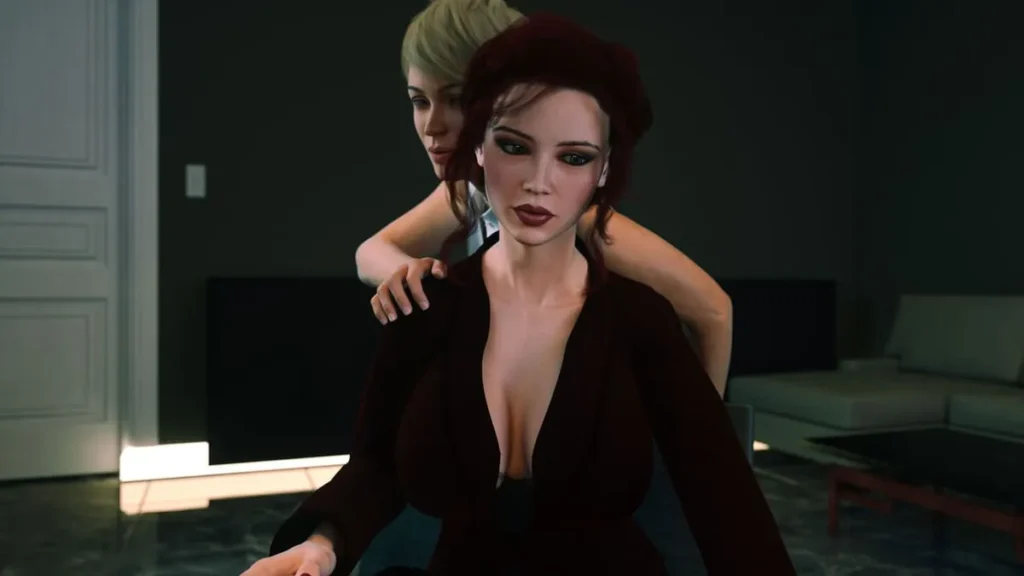
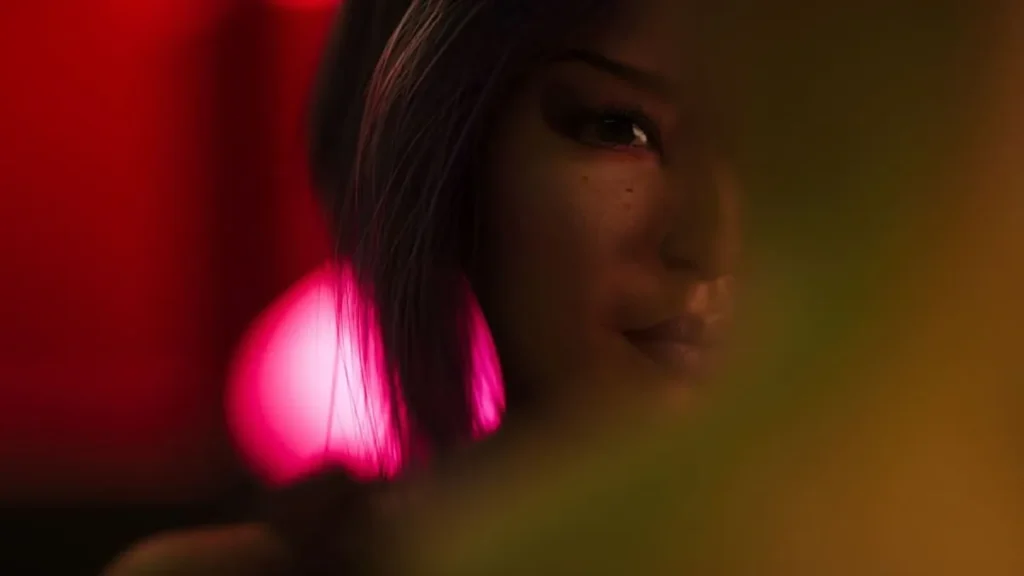
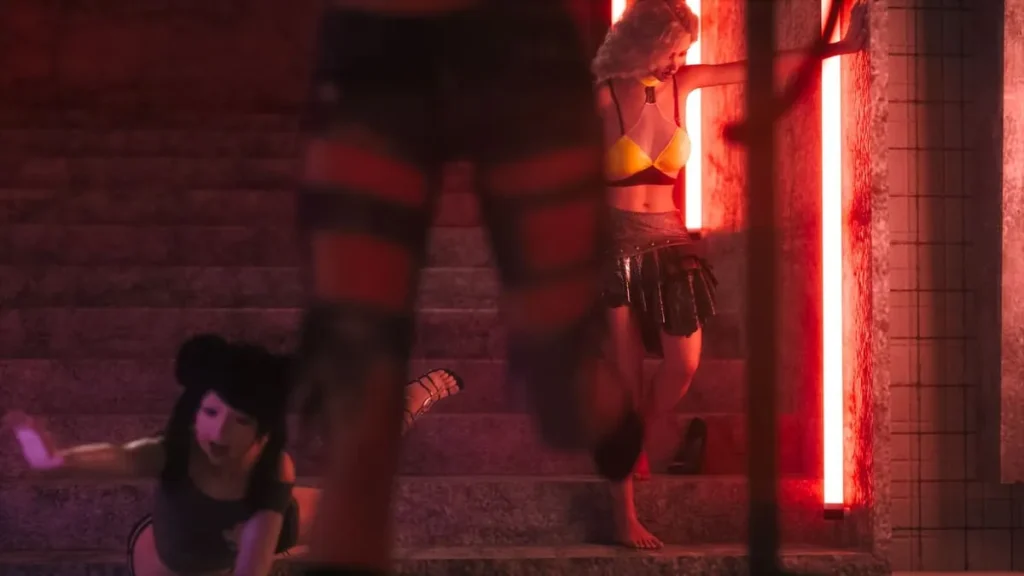
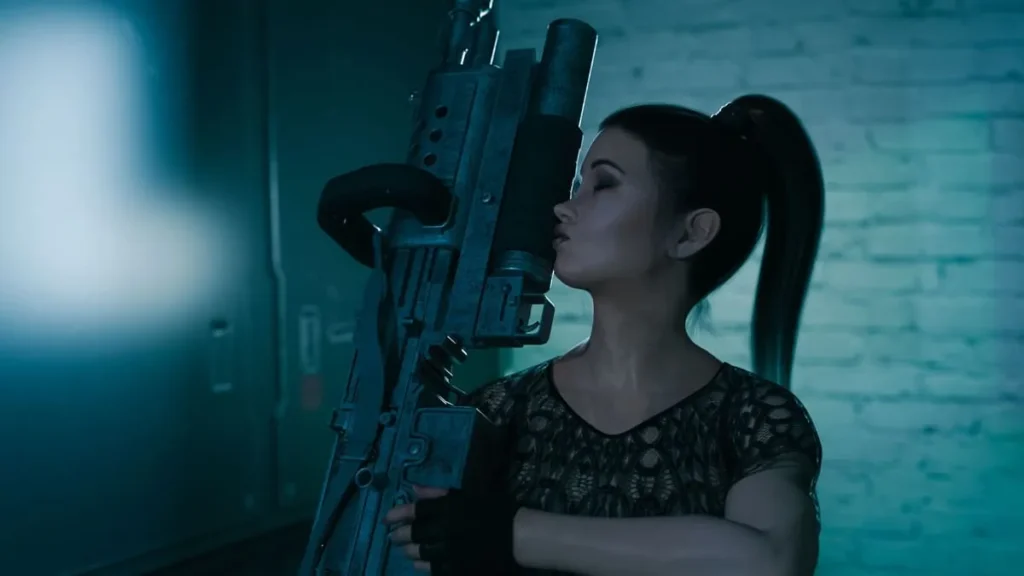
City of Broken Dreamers Screenshots








City of Broken Dreamers review
Dive into the gripping story, stunning visuals, and choices that define this adult visual novel
Ever chased a bounty in a neon-lit dystopia where every choice echoes through your past? That’s City of Broken Dreamers: Book One in a nutshell. As a Ghost—a elite bounty hunter immune to the law—you track a mysterious young girl, unraveling secrets that hit too close to home. This visual novel masterfully blends a compelling narrative with dynamic character relationships, hidden anger stats, and beautifully crafted scenes. I remember my first playthrough; the emotional depth hooked me instantly, making every interaction feel personal. Whether you’re drawn to the story or the intimate moments, this guide breaks it all down to enhance your experience.
What Makes City of Broken Dreamers Stand Out?
I remember the exact moment I realized City of Broken Dreamers was something special. 🎮 I’d booted it up expecting a cool-looking sci-fi story, but within an hour, I wasn’t just playing a game—I was living in its rain-slicked, neon-drenched alleys, making calls that felt genuinely heavy. This wasn’t just another title in my library; it was a gripping, emotional plunge into one of the most compelling dystopian visual novel experiences available today.
What grabbed me wasn’t just one thing, but a masterful blend of story, choice, and artistry that creates a world you can almost smell—the ozone of hologram ads, the damp concrete, the underlying tension. It’s a world where every character is hiding something, and every choice you make sends ripples through the narrative. Let’s dive into what makes this journey so unforgettable.
Unpacking the Core Storyline and Setting
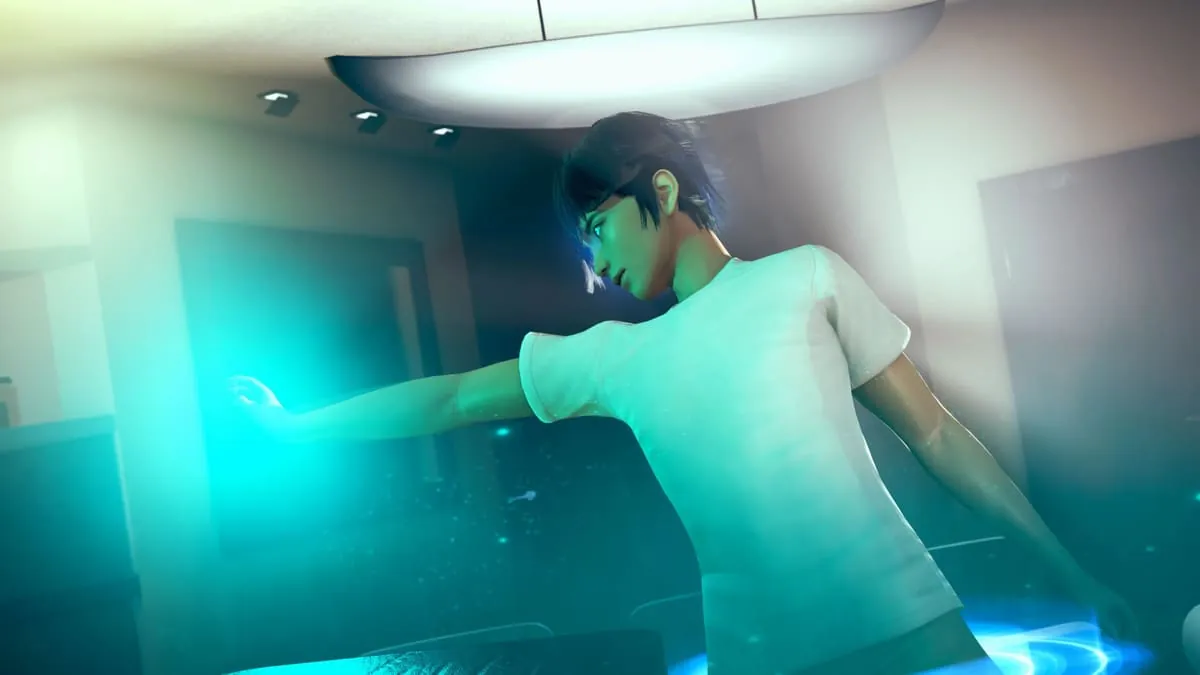
At the heart of this visual novel story is Philip Kindred, a man known on the streets as a Ghost bounty hunter. This isn’t just a cool title; it’s a state of being. Ghosts are augmented mercenaries, their bodies and minds fused with military-grade tech, and they’re often seen as disposable tools. Philip is a classic noir protagonist trapped in a cyberpunk nightmare: deeply capable, morally worn, and haunted by a past that’s literally fragmented in his own memory. 🧠
You step into his worn boots, tasked with tracking down a mysterious girl named Ellen. Seems simple, right? But in the sprawling, corporate-ruled dystopia of Los Angeles, 2077, nothing is. Ellen is the key to something massive, and your pursuit of her forces you to confront the very demons that shattered your life. The brilliance of the City of Broken Dreamers narrative is how personal the stakes feel amidst the grand, world-ending conspiracy. You’re not just saving the city; you’re fighting to salvage what’s left of your own soul and memory.
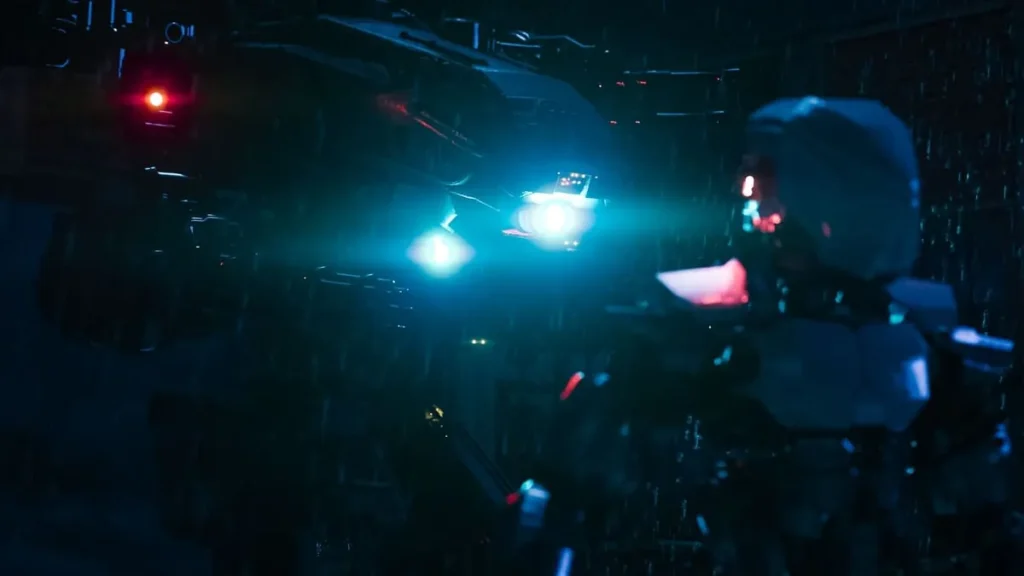
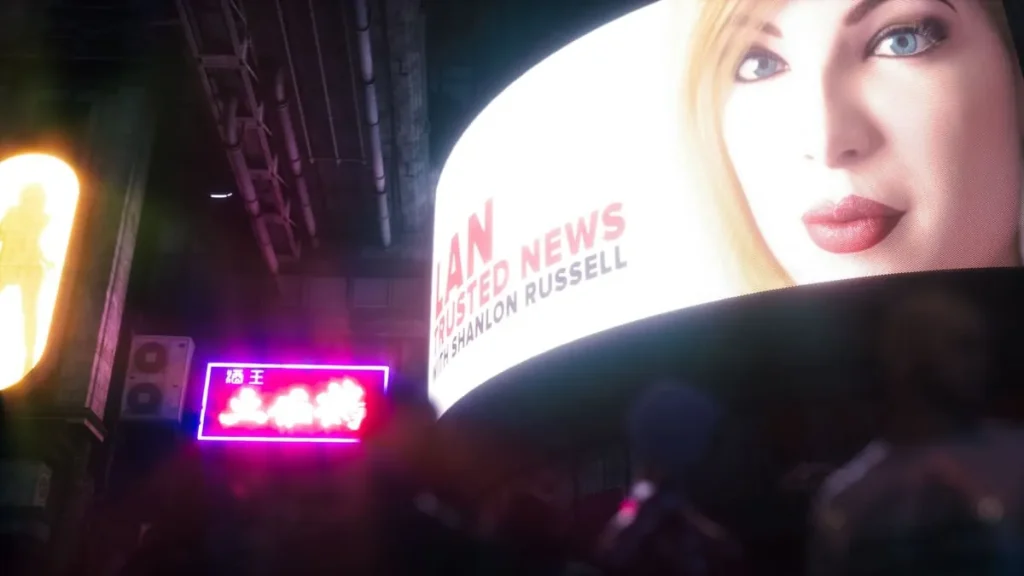
The setting is a character in itself. This is a future of staggering inequality, where the elite live in orbital rings and the rest struggle in the toxic, decaying urban sprawl below. Every location, from the grimy clinics in the lower sectors to the opulent, sterile corporate towers, tells a story of societal collapse. This attention to environmental storytelling elevates the entire experience, making your journey as a Ghost bounty hunter feel urgent and real.
How Choice-Driven Mechanics Shape Your Journey
Where City of Broken Dreamers truly separates itself from the pack is in its profound, systems-driven choice mechanics. This isn’t about picking obvious “good” or “bad” dialogue options. Your decisions build a complex web of stats that fundamentally alter how characters perceive you, what paths open up, and ultimately, how your story ends.
Your primary tools for navigating relationships are the dual relationship scores: Affection and Lust. Think of Affection as respect, trust, and emotional connection, while Lust represents raw physical attraction and desire. 🫀🔥 Each major female character has her own independent scores, and how you build them—through conversation choices, gifts, and actions—determines not just if you grow closer, but how.
But the game’s secret weapon is the hidden anger stat. This isn’t displayed on your character sheet, but it simmers beneath the surface of every interaction. Are you short-tempered with a bartender? Dismissive of a companion’s concern? These moments feed a hidden meter that can unlock unique, often more aggressive dialogue options and even change how certain characters react to you in critical moments. It’s a brilliant way to reflect Philip’s internal struggle and let your roleplaying style have tangible consequences.
Here’s a quick breakdown of the key interpersonal mechanics:
- Affection Score: Built through supportive, kind, and trustworthy actions. High affection unlocks deeper emotional scenes, crucial story information, and more cooperative endings.
- Lust Score: Built through flirty, bold, and physically forward choices. High lust leads to passionate encounters and scenes, but may close off paths of genuine emotional intimacy.
- Hidden Anger Stat: Influenced by cynical, rude, or violent dialogue choices. Can unlock unique “hardened” paths and change the tone of confrontations.
Pro Tip: Start tracking your choices early! The game doesn’t hand-hold, so taking mental notes (or actual ones!) on how you’re speaking to each character can save you from locking yourself out of a desired path later. It pays to have a strategy.
To visualize how these scores can guide a single relationship, let’s look at a hypothetical path with one character:
| Your Primary Approach | Builds This Score | Potential Story & Scene Outcomes |
|---|---|---|
| Being her protective confidant, listening to her fears. | Affection | Unlocks story-critical secrets, leads to a partnership based on trust, and can result in a committed, emotional ending. |
| Engaging in intense, flirtatious banter and seizing physical moments. | Lust | Leads to earlier passionate encounters and a relationship driven by intense physical chemistry. |
| Mixing supportive moments with dominant, assertive choices. | A balanced mix of Affection & Lust | Can open a unique “romance” path that blends emotional depth with physical passion, often considered the most complete character arc. |
I’ll never forget a pivotal moment in a late-game chapter. Faced with a former ally who had betrayed me, the game presented three options, each flavored by my stats: a calm, reasoning path (high Affection with another character opened this), a violent threat (my hidden anger stat made this one glow, promising a cathartic release), or a cold, mercenary deal. The weight of that choice, knowing it was shaped by my entire journey, was more impactful than any scripted cutscene in a blockbuster game.
Visual Masterpieces and Animation Highlights
If the story and choices are the brain and nervous system of City of Broken Dreamers, then its visuals are the breathtaking, beating heart. 💖 This game is a feast for the eyes, setting a gold standard for production values in the genre. The term animated NSFW scenes doesn’t do justice to the cinematic quality on display here.
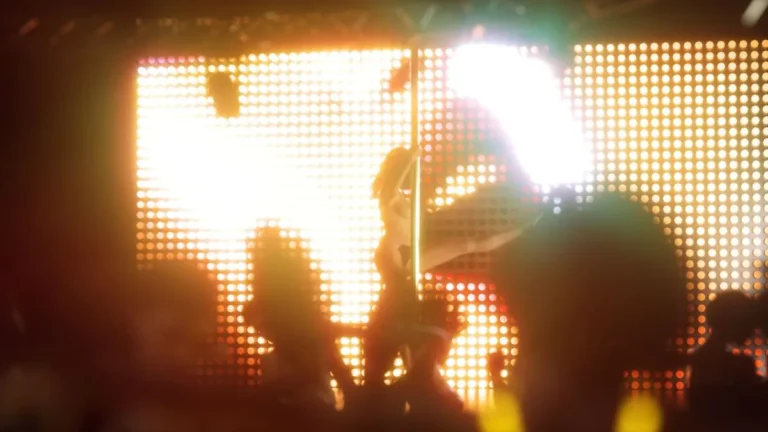
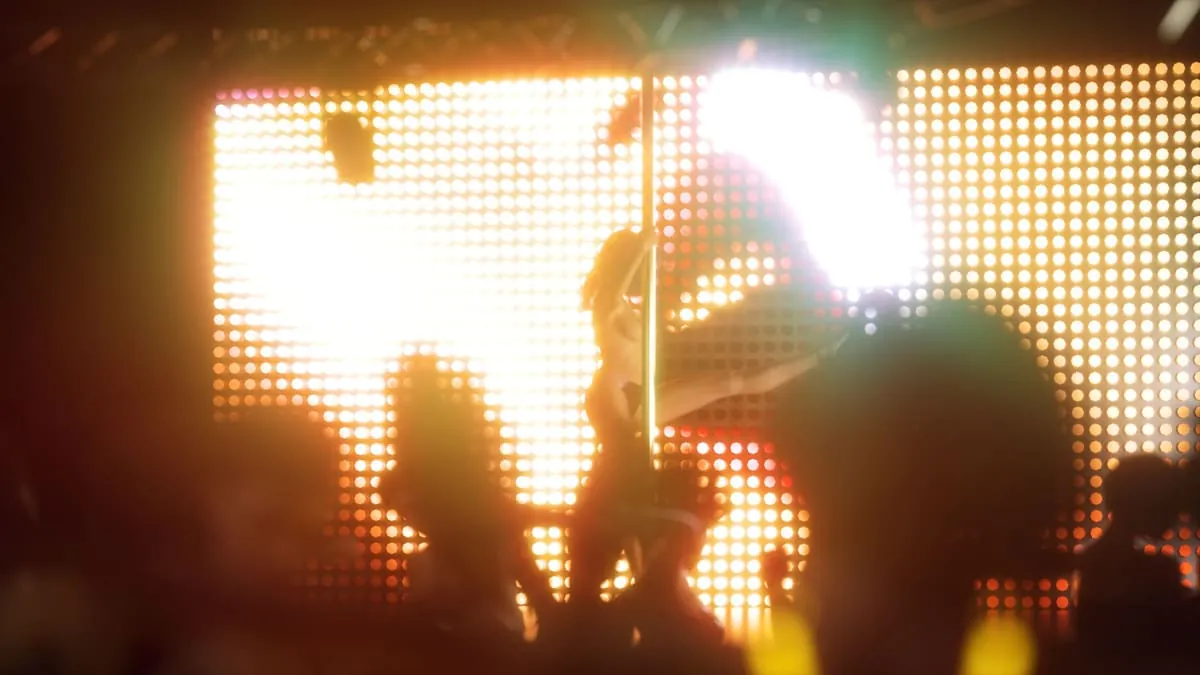
Let’s start with the world. The detailed backgrounds are staggering. You don’t just see a nightclub; you see the laser lights cutting through haze, the individual reflections on polished floors, the crowd of uniquely designed patrons in the shadows. The clinic feels cold and sanitized, while the streets feel alive with dripping water and the ghostly glow of neon signs. This meticulous artistry fully sells the dystopian visual novel setting, making exploration a reward in itself.
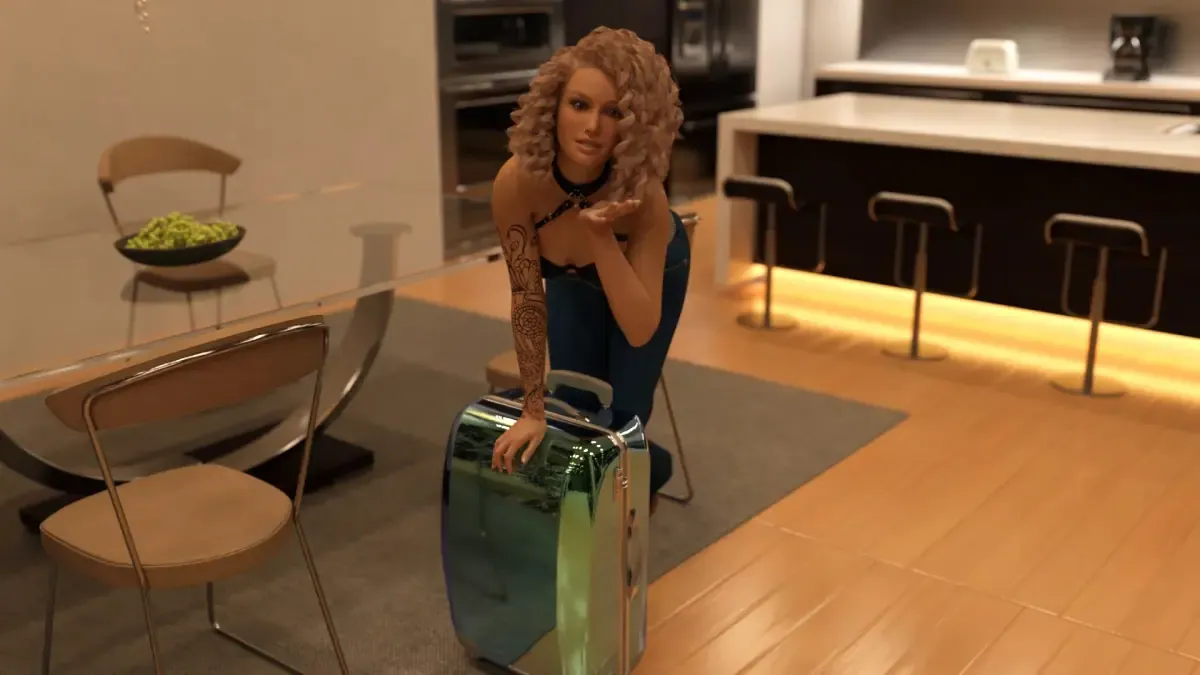
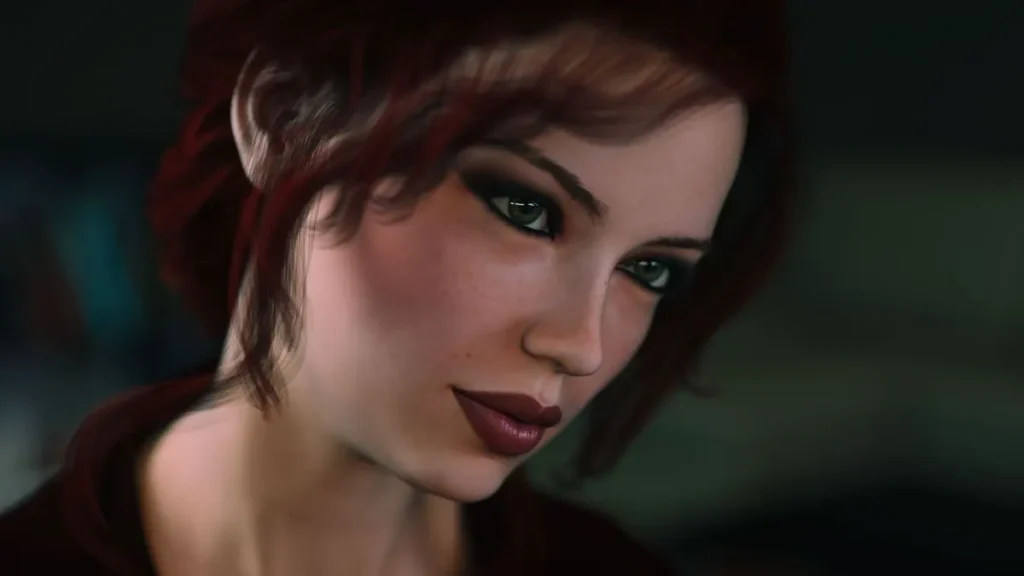
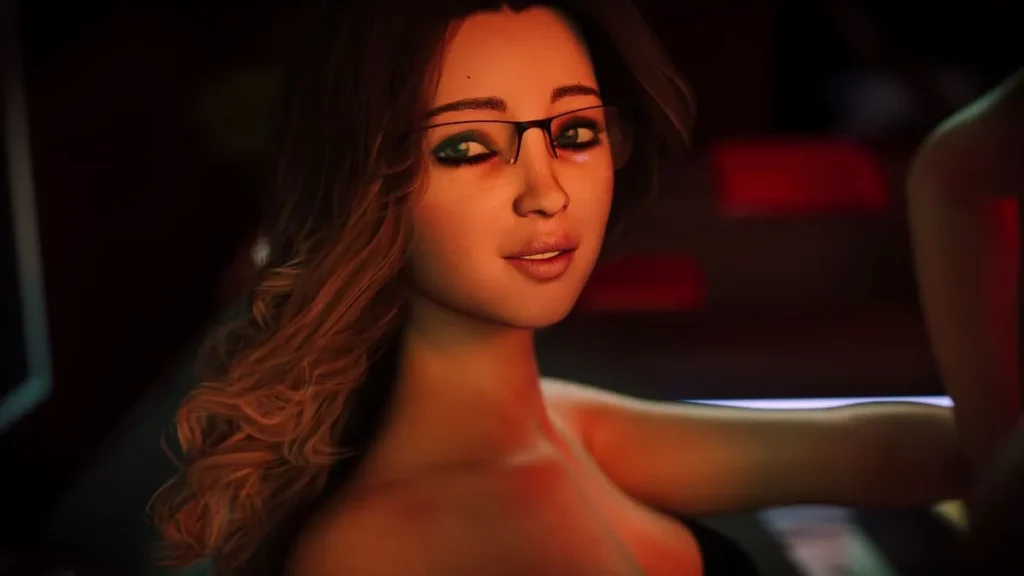
The character designs are iconic, leaning into a stylized, exaggerated perfection that fits the cyberpunk fantasy. But what always catches my eye are the eyes. 👁️ The artists have imbued every character with incredibly expressive eyes—windows to their souls that convey fear, desire, cunning, and vulnerability with stunning clarity. A single glance can tell you more than a paragraph of dialogue.
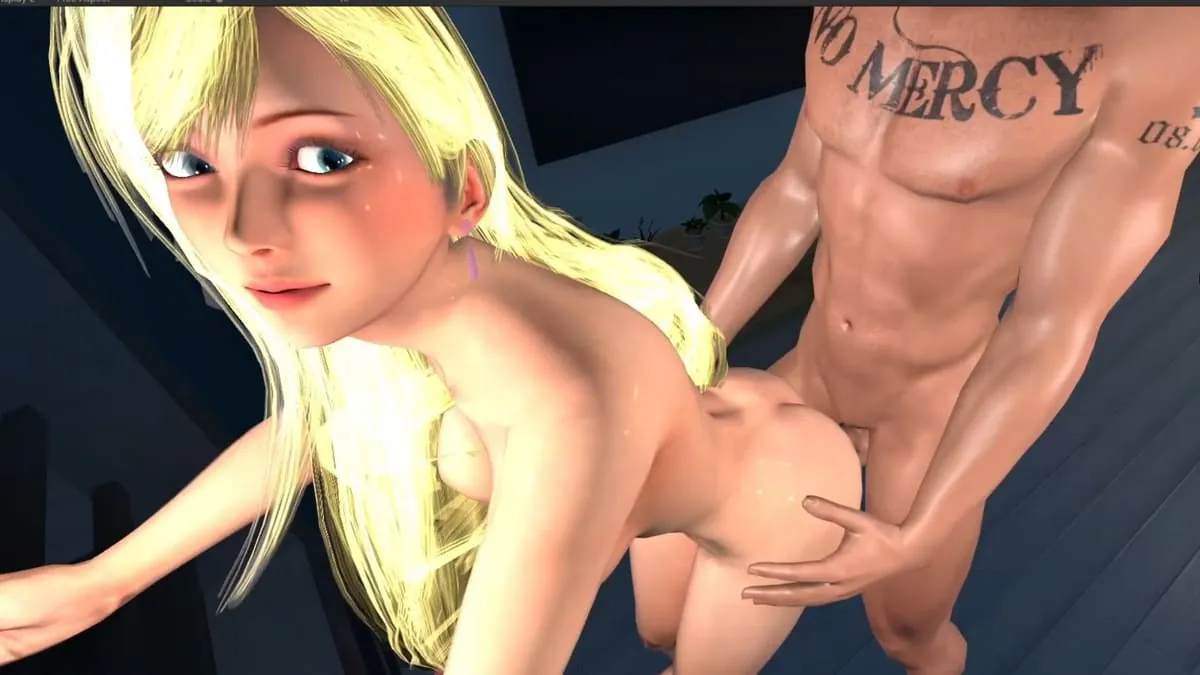
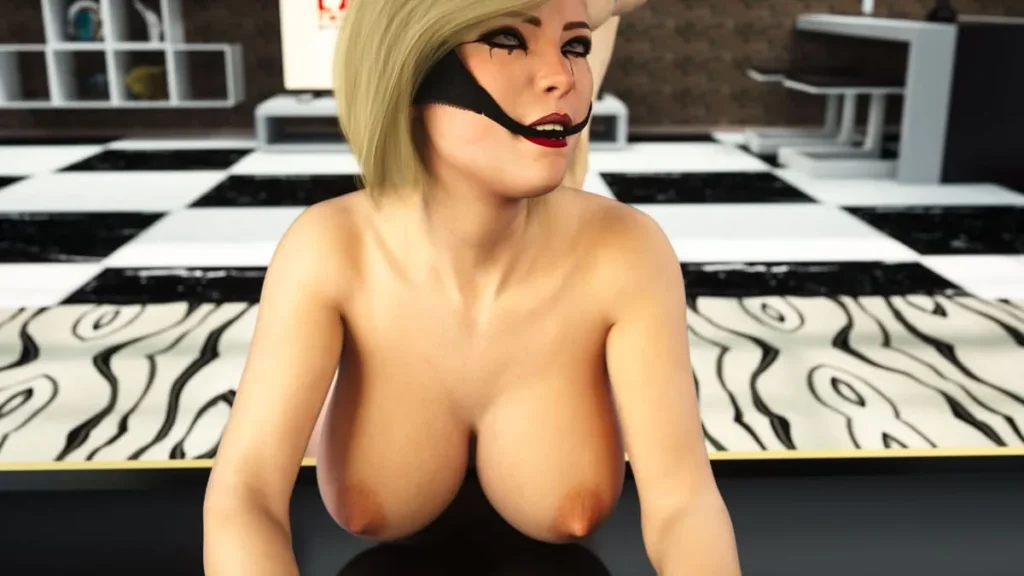
Now, for the animated NSFW scenes. These are not static images. They are fully animated loops with a level of detail that is, frankly, exceptional. The care taken with movement, lighting, and especially realistic “jiggle physics” adds a layer of immersion and authenticity that is rare. These scenes feel like a natural, earned culmination of your relationship-building efforts, not a disconnected reward. They are crafted with the same narrative and visual care as the rest of the game, serving as intimate character moments.
From its gut-punch story centered on a damaged Ghost bounty hunter, to the brilliantly interwoven systems of relationship scores and the hidden anger stat, all wrapped in a visual package that rivals animated films, City of Broken Dreamers is a landmark title. It proves that a visual novel story can deliver narrative depth, player agency, and artistic beauty on a level that rivals mainstream AAA games. It’s an unforgettable journey through a broken city, where the only thing more fragile than the world is the dream of putting yourself—and those you care about—back together.
“I’ve played hundreds of narrative games, but City of Broken Dreamers stuck with me for weeks. The choices felt mine, the world felt alive, and the visuals… just wow. It’s more than a game; it’s an experience.” – A veteran player’s testimonial.
From the shadowy streets of its dystopian world to the heartfelt connections you forge, City of Broken Dreamers: Book One delivers a rare blend of storytelling and immersion that lingers long after. My own dives into its choices taught me how small decisions ripple into epic outcomes—grab it if you crave depth in your games. Ready to become the Ghost? Download now, experiment with paths, and share your favorite moments in the comments. Your next obsession awaits.