Color of My Sound
Play Color of My Sound
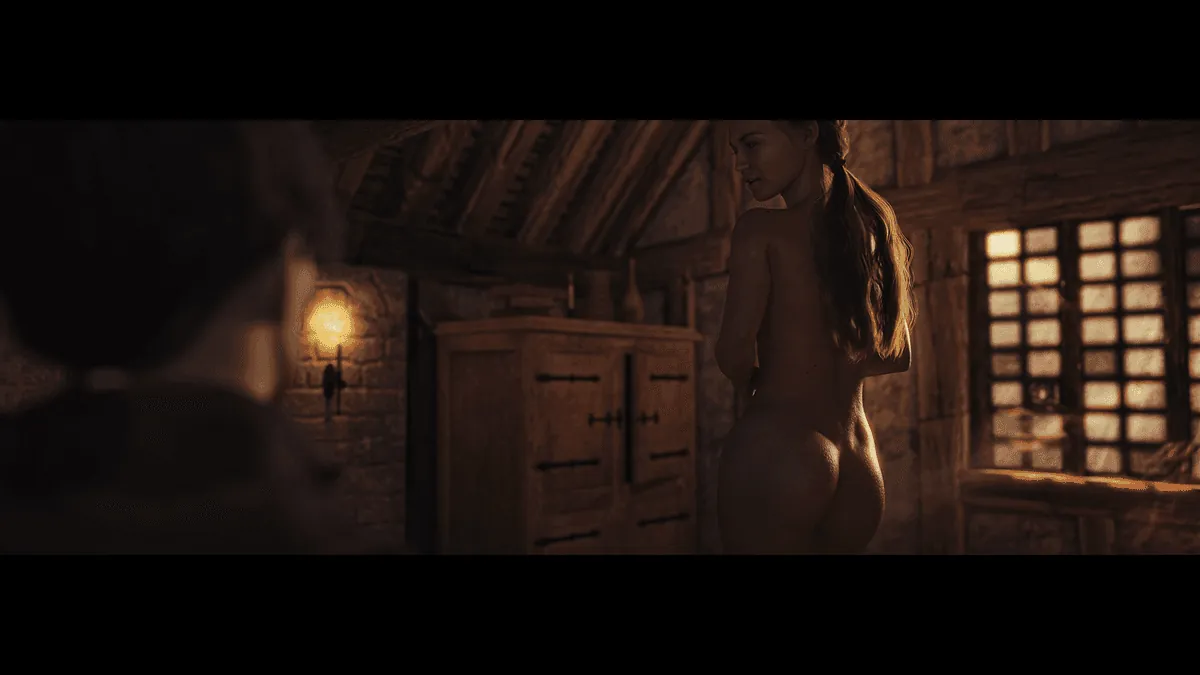
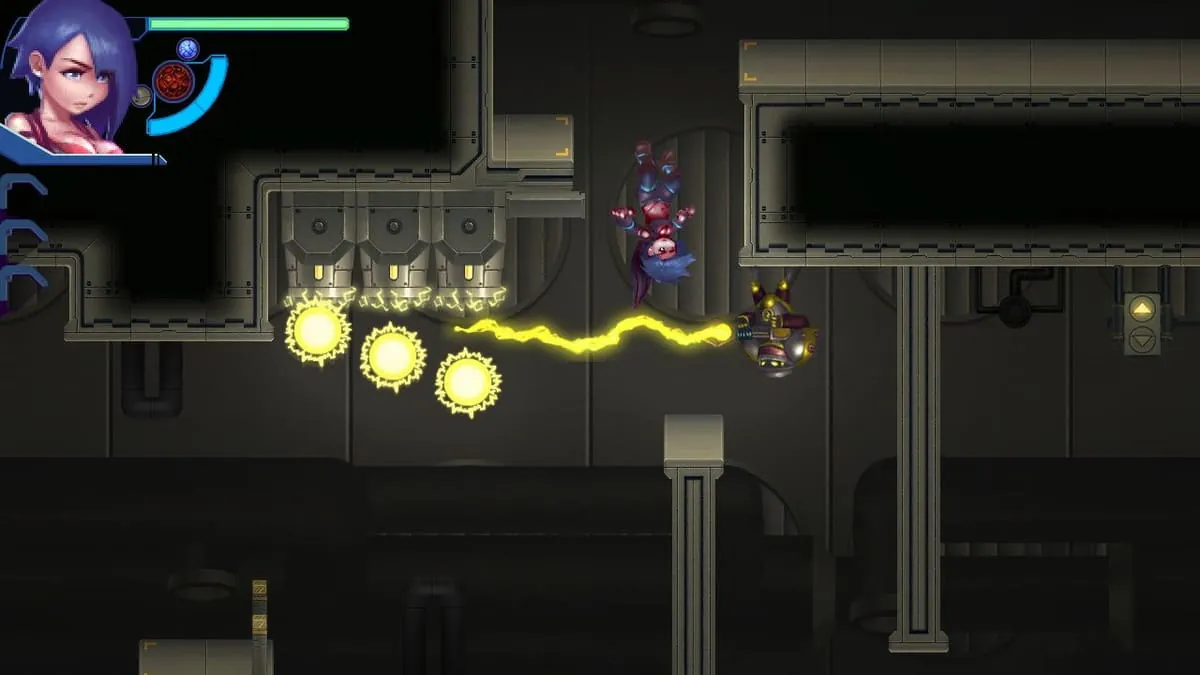
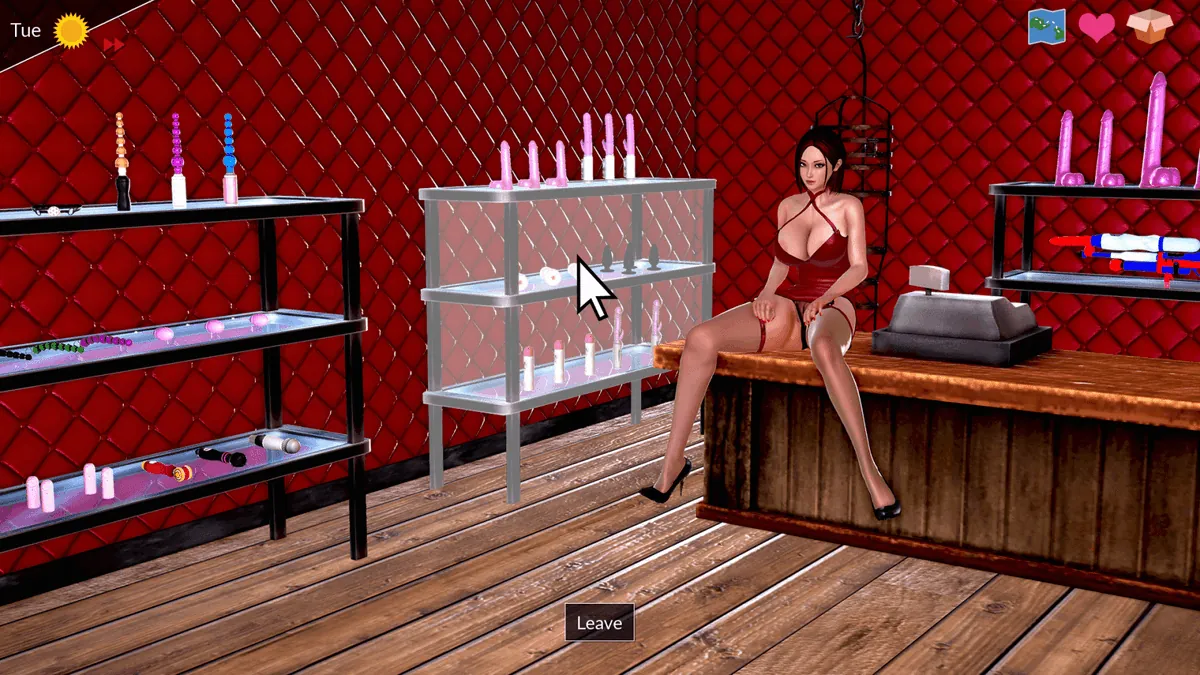
Color of My Sound Screenshots










Color of My Sound review
Explore the unique world and gameplay of Color of My Sound
Color of My Sound is a distinctive interactive experience that blends visual storytelling with immersive gameplay. This article dives into the core elements of Color of My Sound, exploring its unique artistic style, narrative depth, and player engagement. Whether you’re curious about the game’s mechanics or its creative vision, this guide offers a comprehensive look at what makes Color of My Sound stand out.
Understanding the Gameplay and Mechanics of Color of My Sound
Ever felt like a game just gets you? Like it’s not just about hitting buttons, but about feeling something? That was my first hour with Color of My Sound. I went in expecting a neat puzzle game, but what I found was a deeply personal, audiovisual journey that completely redefined how I think about interactive art. This isn’t just another title to add to your library; it’s an experience you feel in your bones. 🎨🎵
This chapter is your guide to understanding that magic. We’ll break down the Color of My Sound gameplay, explore the game mechanics Color of My Sound is built on, and show you how to dive headfirst into its beautiful, resonant world.
### What Makes Color of My Sound Unique?
Forget everything you know about standard game objectives. Color of My Sound stands apart by making you the instrument and the canvas. The core unique features Color of My Sound offers is a seamless fusion where your actions don’t just create sound or visuals—they birth both simultaneously, as one inseparable entity.
I remember the moment it clicked for me. I was stuck in a tranquil, blue-hazed chamber, simply moving my avatar around. With each movement, a soft, cello-like hum resonated. I started to move in a pattern, and the hum built into a gentle melody while the walls pulsed with light. I wasn’t solving a puzzle; I was composing the solution through movement and emotion. The game’s world reacts to your “audio-visual signature.” A cautious, slow player might paint the world in deep blues and low bass tones, while a frantic, energetic one might trigger a crimson landscape of staccato strings. This creates a player interaction Color of My Sound that feels less like playing a game and more like conducting a symphony of your own making. ✨
It’s this profound, personal connection between action, sight, and sound that forms the heart of the Color of My Sound gameplay. You’re not just interacting with a world; you’re in a constant, beautiful dialogue with it.
### Core Gameplay Features and Controls
So, how to play Color of My Sound? The good news is, the controls are elegantly simple, designed to get out of the way of the experience. The complexity comes from how you use them. You primarily interact with the world using just a few inputs, but the context is everything.
On a controller, you’ll use one analog stick for movement and the other often to direct a “focus” or “resonance” beam—think of it as your conductor’s baton. Shoulder buttons might modify the intensity or type of your interaction. The key is that every button press, every tilt of the stick, is translated into both a visual and auditory feedback. Holding a button might sustain a note and a beam of light, while tapping creates percussive sounds and sharp light bursts.
The real mastery of the game mechanics Color of My Sound employs is in the environmental interaction. You’ll encounter “Resonance Nodes” that need to be activated in harmony, “Echo Crystals” that repeat and amplify your last sound-color action, and “Silent Canvases” that require you to “play” a specific emotional sequence to proceed. It’s less about memorizing combos and more about listening and watching the world’s response.
Pro Tip: When you start, spend time in each new area just moving and experimenting. Don’t rush for the goal. The world is your tutorial; let it teach you its language.
To help visualize the core inputs, here’s a breakdown of the primary Color of My Sound controls and their functions:
| Control Input | Primary Function | Audiovisual Result |
|---|---|---|
| Left Stick / Movement Keys | Navigate the environment | Generates a foundational ambient tone and a trailing light effect. Speed alters pitch and color intensity. |
| Right Stick / Aiming | Directs your Resonance Beam | Projects a focused stream of color and melody. Used to solve puzzles and interact with specific objects. |
| Primary Interaction Button | Activates objects, sustains resonance | Emits a sustained chord and constant light. The core tool for “painting” solutions onto the world. |
| Secondary Interaction Button | Percussive action, breaks obstacles | Creates a sharp, distinct sound and a flash of light. Useful for rhythmic sequences and clearing paths. |
| Modifier Button | Alters the quality of your interaction | Shifts the emotional “key” of your output (e.g., from joyful major chords to somber minor tones, changing the color palette). |
Mastering these simple tools is the first step to shaping your unique symphony. 🎮
### Player Interaction and Progression
You might be wondering about the social aspect or the player interaction Color of My Sound facilitates. While primarily a personal journey, the game has a beautiful, non-intrusive shared element. You can sometimes see the faint, ghostly echoes of other players’ past symphonies in a level—a shimmering haze of color or a distant, repeating melody they left behind. It’s a comforting reminder that you’re exploring this emotional landscape alongside others, each creating your own masterpiece. It’s collaborative storytelling without direct competition or chatter.
Now, let’s talk about Color of My Sound progression. This isn’t a game of collecting points or unlocking guns. Progression is measured in emotional depth and auditory complexity. As you move through the game’s chapters, you gain access to new “emotional palettes” and sonic layers. One chapter might teach you the language of “Joy,” filled with bright, brass-like sounds and warm yellows. The next might introduce “Melancholy,” with its slow piano keys and deep purples.
Your progression is gated by your understanding, not by a skill check. A puzzle might require you to express “Tranquil Determination”—a mix of steady, low tones (determination) and soft, flowing greens (tranquility). Figuring out the right movement and interaction sequence to produce that specific audiovisual feel is the puzzle. The game mechanics Color of My Sound uses for progression are all about emotional literacy and creative expression.
The ultimate reward is the experience itself: watching a barren, silent room explode into a vibrant opera of your own creation, or gently guiding a somber landscape into a state of peaceful resolution. You level up your connection to the game, not a character stat sheet.
To get the most out of your journey, remember this: there is no wrong note. Every sound, every color, is valid. The Color of My Sound gameplay encourages experimentation. Your unique emotional state at the moment of play will create a version of the game that no one else will ever replicate exactly. That’s the true magic. So put on some headphones, settle in, and prepare to see the color of your sound. 🎧🌟
Color of My Sound offers a compelling blend of artistic visuals and engaging gameplay that invites players into a unique interactive world. Understanding its mechanics and narrative depth enhances the overall experience. Whether you’re a first-time player or returning, exploring the game’s features can provide hours of immersive enjoyment. Dive in and discover the vibrant world of Color of My Sound for yourself.