Lessons in Love
Play Lessons in Love
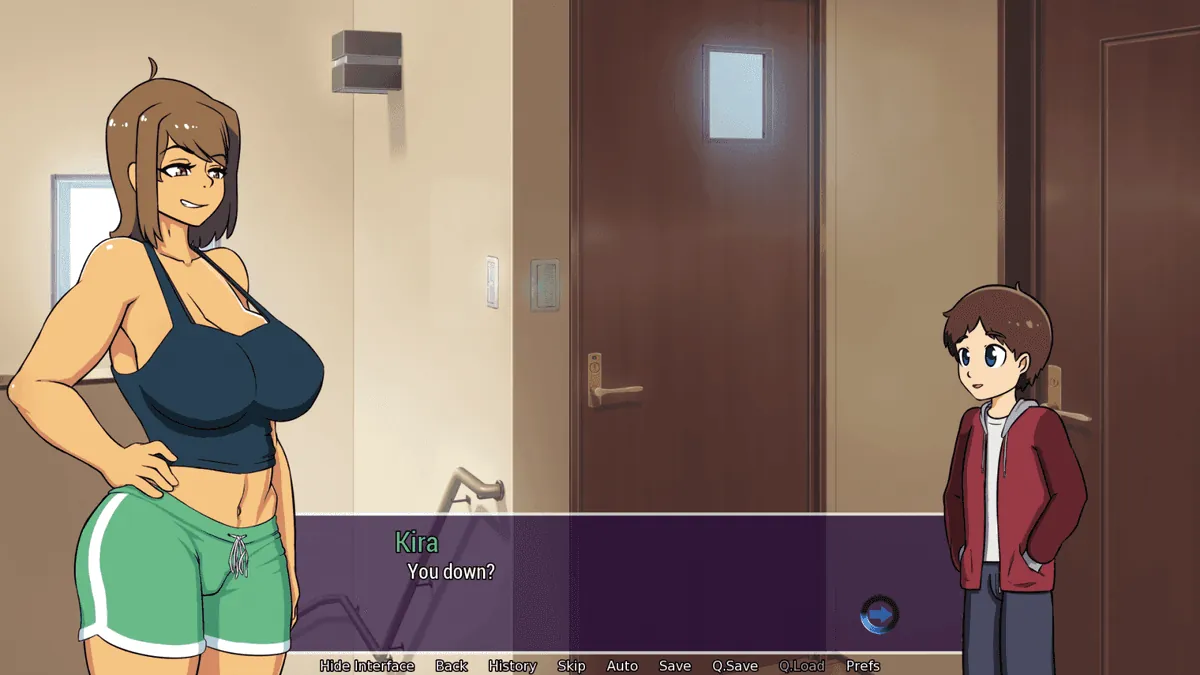
Lessons in Love Screenshots

















Lessons in Love review
Explore storylines, character relationships, and gameplay mechanics in this narrative-driven experience
Lessons in Love is a narrative-driven visual novel that combines choice-based gameplay with a complex supernatural storyline. Players take on the role of a mysterious protagonist who awakens as a teacher in the fictional town of Kumon-mi, navigating relationships with various characters while uncovering dark secrets about the world around them. This guide explores the game’s mechanics, story structure, character development systems, and strategic choices that shape your experience. Whether you’re new to visual novels or a seasoned player, understanding how affection levels, event triggers, and dialogue choices work will enhance your journey through this intricate narrative experience.
Understanding Lessons in Love Gameplay Mechanics
Alright, let’s be honest for a second. You boot up Lessons in Love, see the beautiful art, meet the fascinating characters, and think, “This is going to be a cozy, straightforward story.” Then you make a single, seemingly innocent choice on Day 3, and three weeks later, an entire character’s storyline has vanished into the ether, replaced by an eerie silence you can’t explain. 🫠
I’ve been there. Staring at the screen, wondering what I missed. The magic—and the occasional frustration—of this narrative-driven experience lies entirely in its intricate Lessons in Love gameplay mechanics. It’s not just about reading; it’s a delicate dance of time management, relationship building, and dealing with the ripple effects of every decision.
Think of it less as a book you read and more as a social ecosystem you manage. Your primary tool? The visual novel choice system that governs everything from daily routines to deep, life-altering conversations. This chapter is your map through that ecosystem. We’ll break down how to navigate your days, build meaningful bonds, and understand the cause-and-effect chains that make this game so uniquely compelling. Let’s dive in.
How Location Selection and Daily Progression Work
The core loop of Lessons in Love is deceptively simple: you live day by day. Each day is divided into time slots (like Morning, Afternoon, Evening), and for each slot, you choose a location to visit from your map. This is the engine of the entire game. 🗺️
Pro Tip: There’s no “right” place to be every day. The narrative is designed to unfold based on your priorities. Who do you want to see most? What mystery are you trying to unravel? Your daily location choices are the answers to those questions.
Here’s the kicker: characters are usually found in specific places. Going to the Classroom Building might let you interact with several students, while visiting a character’s Home might offer a more private, intimate scene. But it’s not just about who you see—it’s about when you see them. Many event triggers in this visual novel are tied to specific days or require you to have seen a precursor event elsewhere. You might need to talk to Character A at the Park in the morning to unlock the option to visit Character B at the Docks in the evening on the same day.
This creates a gameplay rhythm that feels wonderfully personal. One playthrough might be centered on the library and academic characters, while another might focus on the town’s nightlife and its associated group. You are literally choosing your own adventure, hour by hour. This daily progression is the foundation upon which all character relationship progression is built. You can’t raise affection levels if you don’t spend time with someone, and you can’t witness crucial story beats if you’re never in the right place at the right time.
I learned this the hard way on my first run. I became obsessed with following one character’s线索, spending every single day looking for them. I advanced their story rapidly, but I completely neglected others. Later, when the game’s larger, interconnected plot demanded I have a certain rapport with a character I’d ignored, I hit a narrative wall. The game didn’t stop; it just moved forward without that thread, and I missed a huge, emotional piece of the story. The Lessons in Love gameplay mechanics are built on opportunity cost—choosing one path often gently closes another, at least for a while.
Affection Levels and Character Relationship Systems
If location selection is the engine, then the affection level system is the fuel gauge for every relationship in the game. This isn’t a simple “like” meter; it’s a multi-layered measure of trust, intimacy, and emotional connection that gates nearly every significant story development. 💖
Each character has their own affection level, typically represented by a heart icon with a numerical value or a descriptive title (e.g., “Friendly,” “Close,” “Intimate”). Raising these levels is your primary meta-goal. How do you do it?
* Spending Time: Simply visiting a character and going through their available daily dialogue gives small, steady gains.
* Making Positive Choices: During events, choosing supportive, understanding, or character-specific dialogue options grants larger affection boosts.
* Completing Events: Successfully finishing a character’s story event or side-quest often results in a significant level jump.
* Gifting: Some items you find or purchase can be given to characters for an affection increase.
But the affection level system does more than just make characters blush. It directly controls narrative access. Think of affection levels as keys. A character’s major “Chapter 2” event might require Affection Level 15. A crucial, revealing confession might be locked behind Level 30. The game seamlessly ties character relationship progression to plot progression. You cannot advance the central mystery of the game without also deepening your bonds with the people around you.
Here’s a breakdown of what different affection tiers might unlock:
| Affection Tier | Typical Level Range | What It Unlocks |
|---|---|---|
| Neutral / Acquaintance | 0-10 | Basic daily interactions, surface-level dialogue, initial story introductions. |
| Friendly | 11-25 | Longer conversation chains, minor personal revelations, access to character-specific side locations. |
| Close | 26-50 | Major story events for that character, deeper emotional conflicts, ability to influence their subplots. |
| Intimate / Trusted | 51+ | Critical plot revelations, exclusive endings or relationship paths, access to “true ending” requirements. |
This system forces you to engage with the game’s world holistically. You can’t power through just the “main plot.” The main plot is the sum of all these relationships. This is where a good Lessons in Love walkthrough guide becomes invaluable, not to copy blindly, but to understand the prerequisites for the story arcs you care about most. It helps you answer questions like, “I want to see this character’s breakdown scene—what level of trust do I need to build first?”
Event Triggers and Consequence-Based Storytelling
This is where Lessons in Love truly separates itself from more passive visual novels. Events—those special, longer story scenes—don’t just happen when you reach a certain day. They fire based on a complex web of event triggers, creating a truly dynamic and reactive world. 🎭
An event trigger in this visual novel is usually a combination of factors, all of which must be true. The most common triggers are:
* Day Number: The game has an internal calendar. Event X may only be available from Day 45 onward.
* Affection Level: As discussed, you need a specific relationship score with one or more characters.
* Previous Events: You must have witnessed Events A and B before C becomes available.
* Story Flags: Hidden variables set by your past choices (e.g., “Learned about Character Y’s past,” “Found the locket at the beach”).
* Time & Location: The event only occurs if you go to a specific place during a specific time slot.
The game is constantly checking these conditions behind the scenes. When you fulfill them all, the event becomes available at its designated location. Miss a prerequisite, and it simply won’t appear, potentially altering the sequence of the entire story.
| Key Story Event | Common Prerequisites | Unlocked Consequences |
|---|---|---|
| “Festival Fireworks” | Day 70+, Affection 30+ with 3 specific characters, Completed “Beach Cleanup” event. | Opens romantic route options for involved characters; unlocks the “Summer Attic” location; sets a flag for a future reconciliation scene. |
| “Library Confession” | Affection 40+ with a specific character, Have visited the Library 10+ times, Must occur on a rainy afternoon. | Dramatically alters that character’s dialogue tree; unlocks a secret side-quest about a lost book; can prevent a later betrayal scene if handled correctly. |
| “The Midnight Meeting” | Must have failed “The Exam” event earlier, Affection 25+ with a rival character, It is a Wednesday. | Provides a “second chance” narrative branch; introduces a new mysterious faction; changes how the main antagonist is perceived. |
This architecture fuels the game’s masterful consequence-based storytelling. Your choices carry immense weight, not always immediately, but down the line. The game is famous for its branching dialogue where options don’t just change the next line of text; they change the narrative landscape.
Let’s look at a concrete example. Early on, you might find a character crying in an empty classroom. The visual novel choice system presents you with two core options:
1. “Pry. Ask what’s wrong.” (Direct, intrusive)
2. “Leave her alone. It’s not your business.” (Distant, respectful of privacy)
Choosing to Pry might immediately raise her affection because you showed care, and it unlocks a scene where she shares a minor secret. This seems good! However, this action also sets a hidden flag: “YouPriedIntoSecret.” Later, much later, when a larger, more serious secret is at stake, she remembers your tendency to pry. She might become defensive, shut you out of a critical plot thread, and her character relationship progression hits a wall of mistrust. You unlocked a short-term gain but created a long-term obstacle.
Choosing to Leave Alone might result in a small, immediate affection loss (she feels ignored). But it sets the flag: “YouRespectedBoundaries.” Weeks later, when the big secret emerges, she remembers your past respect. She comes to you voluntarily, trusts you with sensitive information, and a unique, tender scene of confession plays out that was impossible on the “Pry” path.
This is consequence-based storytelling at its finest. It’s not about “good” or “bad” choices; it’s about defining who you are in this world and having the world react accordingly. Events chain, intertwine, and branch. A choice in a comedic beach episode can subtly influence the tone of a tragic hospital scene months later. This makes using a Lessons in Love walkthrough guide feel less like cheating and more like reading a complex schematic for a machine you want to understand. It helps you trace the wires from cause to effect.
Ultimately, mastering the Lessons in Love gameplay mechanics is about embracing this philosophy. You are not a passenger on a narrative rail. You are a gardener tending to fragile, interconnected lives. You decide where to spend your time, which bonds to nurture, and how to navigate the moral and emotional dilemmas presented. Your saves are your history, and every new day is a chance to explore a different facet of this deep, challenging, and incredibly rewarding world. Remember, there are no dead ends here—only the stories you choose to live, and the ones you, perhaps heartbreakingly, choose to miss.
Lessons in Love stands out as a visual novel that masterfully blends choice-based gameplay with a complex narrative featuring supernatural elements and character-driven storytelling. The game’s affection level system, event trigger mechanics, and consequence-based choices create a dynamic experience where player decisions genuinely shape the story’s direction and character relationships. Understanding how daily progression, location selection, and dialogue choices interconnect allows players to navigate the game’s intricate branching paths more effectively. Whether you’re drawn to the supernatural mythology, character relationships, or the challenge of unlocking all story branches, Lessons in Love offers a rich narrative experience that rewards exploration and strategic decision-making. Use walkthrough guides when needed to track specific event requirements, but remember that the game’s strength lies in discovering how your choices ripple through the story and affect the characters you encounter.