Netorare Wife Misumi – Lustful Awakening
Play Netorare Wife Misumi – Lustful Awakening
Netorare Wife Misumi – Lustful Awakening Screenshots

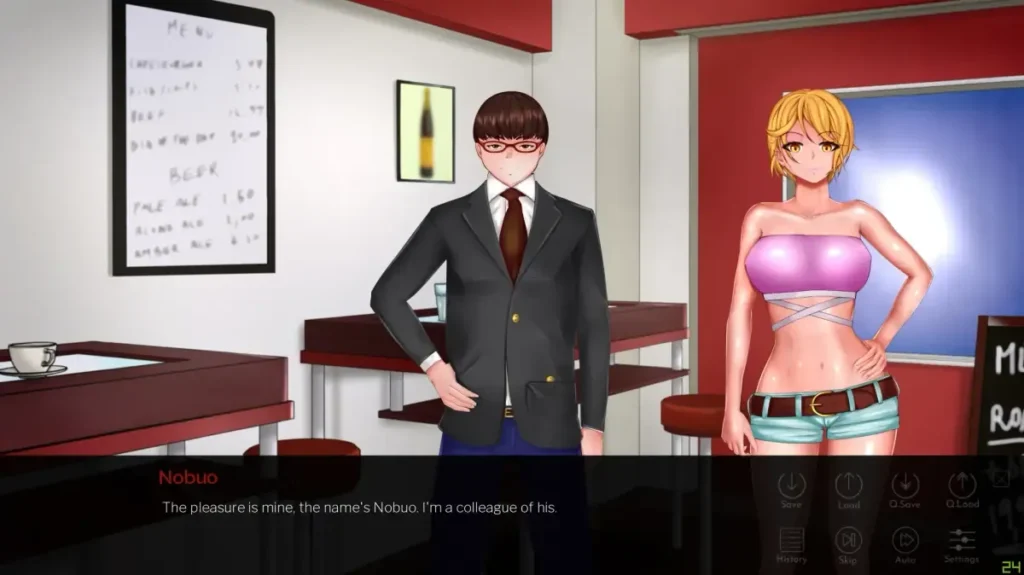


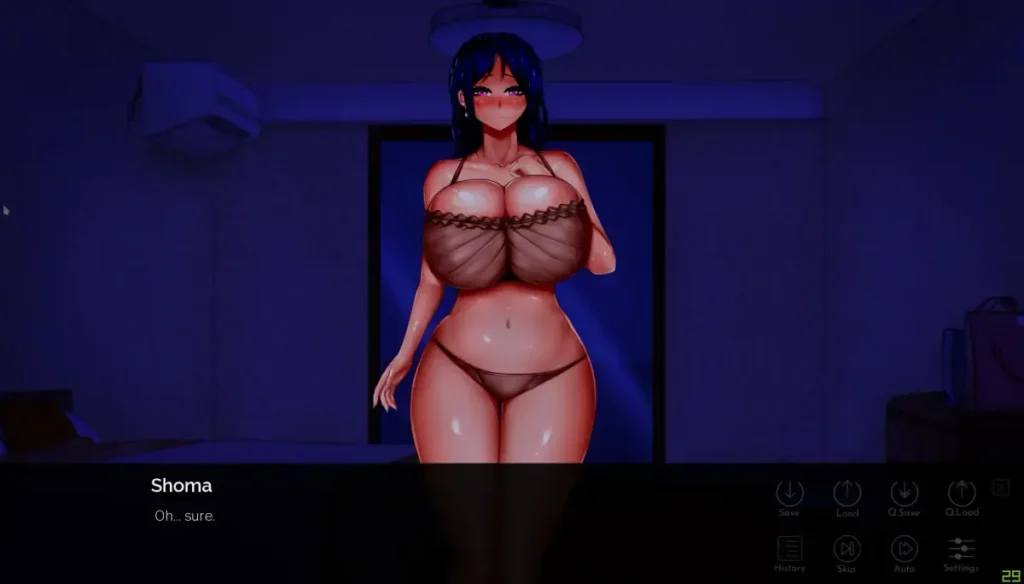

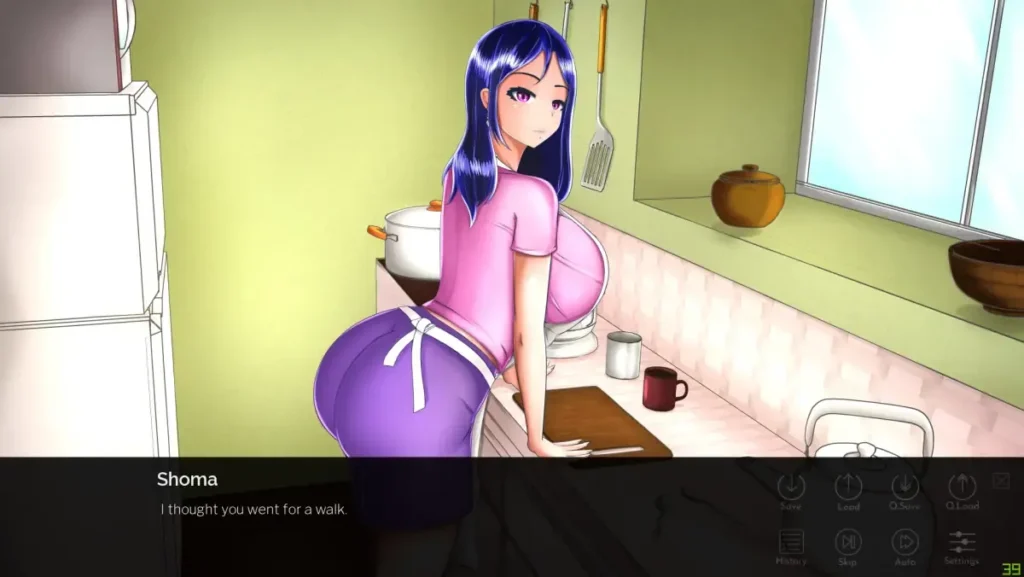
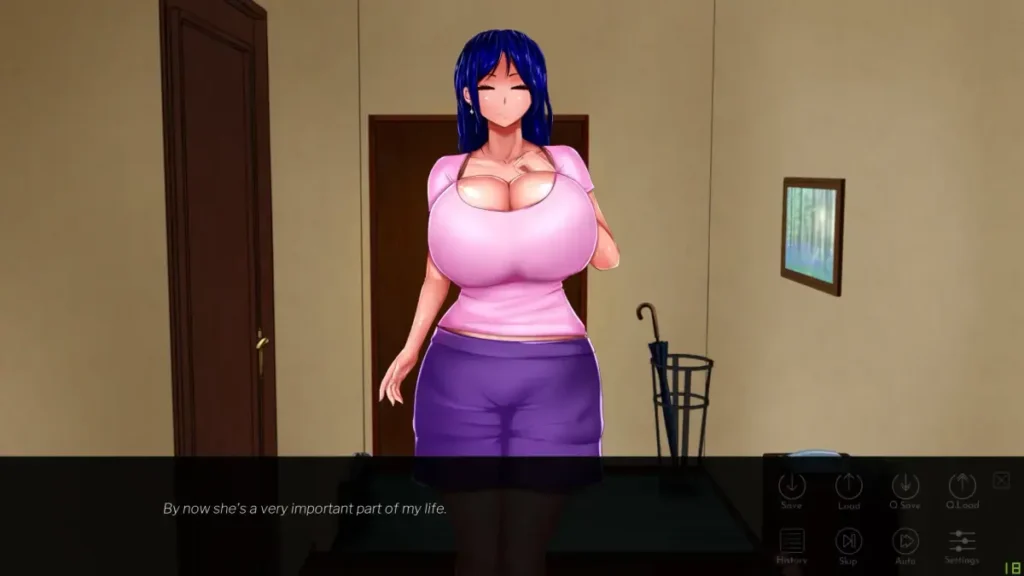
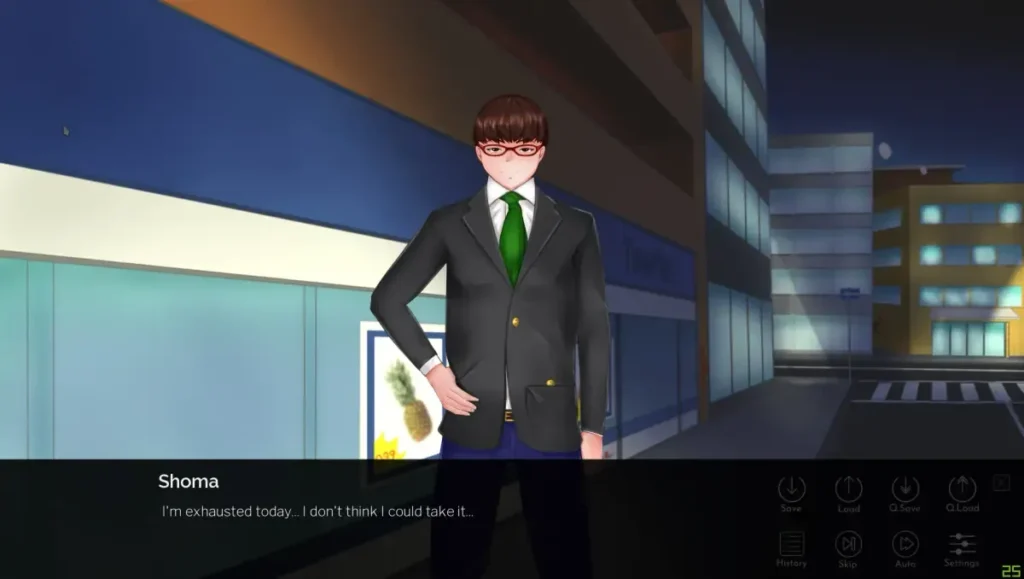

Netorare Wife Misumi – Lustful Awakening review
Explore the Story, Characters, and Gameplay of This Visual Novel Experience
Netorare Wife Misumi – Lustful Awakening is a compelling adult visual novel that immerses players in the emotional and sensual journey of newlyweds Misumi and Shoma. This choice-driven game explores complex themes of desire, loyalty, and transformation through multiple branching paths and endings. In this article, we dive deep into the storyline, character dynamics, gameplay features, and strategic tips to help you fully enjoy this provocative title.
Unpacking the Story and Characters of Netorare Wife Misumi – Lustful Awakening
Let’s be honest, when you first hear about a game like Netorare Wife Misumi – Lustful Awakening, it’s easy to make assumptions. 😅 You might think it’s just another story with a simple, provocative premise. But as someone who’s spent hours immersed in its world, I can tell you that’s a huge misconception. What truly hooked me wasn’t the premise, but the incredibly human, painful, and nuanced visual novel narrative that unfolds. This game is less about shock value and more about a deep, character-driven exploration of a relationship under immense strain.
At its heart, the Netorare Wife Misumi story is a portrait of a marriage. It’s a slow-burning, emotional drama that asks difficult questions about desire, commitment, and identity. If you’re looking for a game that makes you feel—whether that’s frustration, sympathy, or heartache—you’ve come to the right place. This guide will unpack the delicate world of Misumi and Shoma, exploring why their story leaves such a lasting impact. 🫂
Who Are Misumi and Shoma?
To understand the storm, you first need to see the calm before it. The Misumi and Shoma characters are presented as an ordinary, loving newlywed couple. They live in a modest apartment, navigating the quiet routines of early marriage. Shoma is a devoted, hardworking husband. His world orbits around Misumi; his love is steady, dependable, and perhaps a touch routine. He represents stability and unwavering loyalty.
Misumi, meanwhile, is the emotional core of the story. She loves Shoma, but there’s a subtle, unspoken restlessness within her. She’s a kind, gentle woman who may have settled into her role as a wife without fully exploring her own self or desires. She isn’t unhappy, but she might be unfulfilled in ways she can’t yet articulate—even to herself.
My Take: Playing from Shoma’s perspective early on, I felt a genuine sense of domestic bliss. It made the subsequent tension so much more effective because I, as the player, had invested in their “normal” life. You’re not watching strangers; you’re watching a couple you’ve come to root for.
Their dynamic sets the stage perfectly. The game themes loyalty desire aren’t presented as a clear-cut battle between good and evil. Instead, they manifest as a slow erosion. It’s the gap between Shoma’s contented love and Misumi’s quiet yearning that creates the first fissures. This foundation is crucial—without believing in their initial love, the emotional conflict in games like this simply wouldn’t work. 😔
The character development in Netorare Wife Misumi is primarily focused on Misumi’s internal journey. As external pressures and temptations emerge, we see her grapple with guilt, curiosity, confusion, and a startling new sense of excitement. Her transformation isn’t a switch being flipped; it’s a gradual awakening that feels frighteningly real. Shoma’s development, on the other hand, is often reactive, a journey of dawning suspicion, denial, and painful realization.
Supporting Characters and Their Roles
No story about pressure on a marriage exists in a vacuum. The supporting cast in Netorare Wife Misumi – Lustful Awakening isn’t just filler; they are the catalysts and mirrors that force our main characters to confront their truths. 🔍
Two figures are particularly pivotal:
- Chiyo: Often a friend or confidante to Misumi, Chiyo can serve multiple roles. She might be a voice of traditional reason, urging Misumi to appreciate her stable life with Shoma. Conversely, she could also be a harbinger of liberation, casually discussing her own free-spirited views on relationships and desire, which plant seeds of doubt or curiosity in Misumi’s mind.
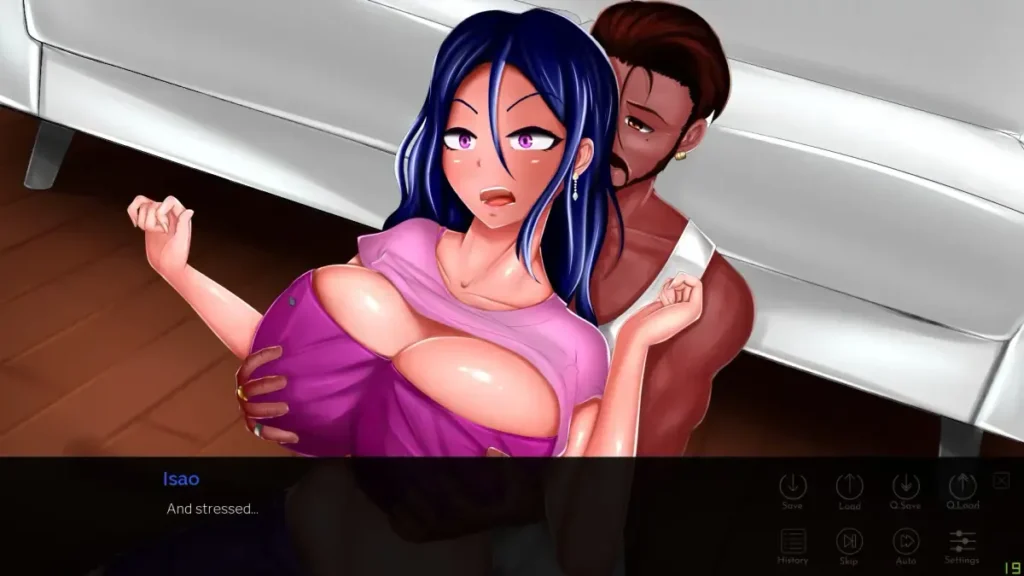
- Isao: He is typically the embodiment of the external temptation. He’s not mustache-twirling villain, but rather someone who offers Misumi something she feels is missing—attention, thrill, or a sense of being seen in a new way. His presence forces the visual novel narrative to confront the question: Is Misumi’s awakening about him specifically, or about what he represents?
These characters act as narrative tools that poke and prod at the stability of Misumi and Shoma’s world. They bring the external conflict that fuels the internal one.
To keep everyone straight, here’s a quick breakdown:
| Character | Primary Role | Key Trait | Impact on the Plot |
|---|---|---|---|
| Misumi | Protagonist | Kind, Restless, Seeking | Her internal conflict is the central plot driver. |
| Shoma | Husband / Secondary Protagonist | Devoted, Stable, Unassuming | His perspective creates tension and anchors the story in emotional consequence. |
| Chiyo | Confidante / Catalyst | Sociable, Influential | Provides social context and can sway Misumi’s thoughts and decisions. |
| Isao | Antagonist / Catalyst | Charming, Persistent | Personifies the alternative path and directly challenges the marriage’s boundaries. |
Central Themes and Narrative Conflict
If you walk away from this game thinking about one thing, it should be its masterful handling of game themes loyalty desire. This isn’t a simplistic morality tale. The genius of the Netorare Wife Misumi plot overview is that it explores how these forces can coexist and war within a single person. Misumi’s loyalty to Shoma is real, but so is her burgeoning desire for something more—for passion, for self-discovery, or simply for a different version of herself. ✨
The core conflict is internal. It’s Misumi versus herself. The external events are just the triggers. This is what creates such powerful emotional conflict in games of this caliber. As a player, you may find yourself in the strange position of understanding both sides. You might sympathize with Shoma’s pain while also comprehending Misumi’s confusing journey. That ambiguity is the source of the story’s depth.
The theme of personal awakening is equally critical. The “Lustful Awakening” in the title is as much about emotional and psychological awakening as it is about the physical. Misumi is, for perhaps the first time, asking herself what she wants, separate from her role as a wife. This journey of self-discovery is fraught with guilt and collateral damage, making it profoundly tragic and compelling.
From a narrative standpoint, the game uses its visual novel narrative structure to amplify these themes. The choices (if present in your playthrough) often feel less about “winning” and more about steering the trajectory of a heartbreaking, inevitable-feeling collapse. The pacing is deliberate, soaking in the uncomfortable moments and the quiet despair, making the emotional peaks hit incredibly hard.
Final Insight: What makes Netorare Wife Misumi – Lustful Awakening memorable is its respectful treatment of its difficult subject matter. It doesn’t glorify or vilify. It presents a slice of life where love isn’t always enough, where people are flawed, and where choices have devastating consequences. The Netorare Wife Misumi story stays with you not because of its sensational moments, but because of its painful, beautiful, and utterly human portrayal of a relationship changing beyond recognition. It’s a powerful study of the Misumi and Shoma characters that will have you thinking about them long after the credits roll. 🤔💔
Netorare Wife Misumi – Lustful Awakening offers a rich and emotionally charged visual novel experience that challenges players to navigate complex relationships and personal transformations. Through its nuanced characters, branching storylines, and thought-provoking themes, the game invites you to explore loyalty, desire, and identity in a deeply engaging way. Dive into the choices and discover the many possible endings that await Misumi and Shoma’s journey.