Teen Zombie in Your Cabin
Play Teen Zombie in Your Cabin
Teen Zombie in Your Cabin Screenshots


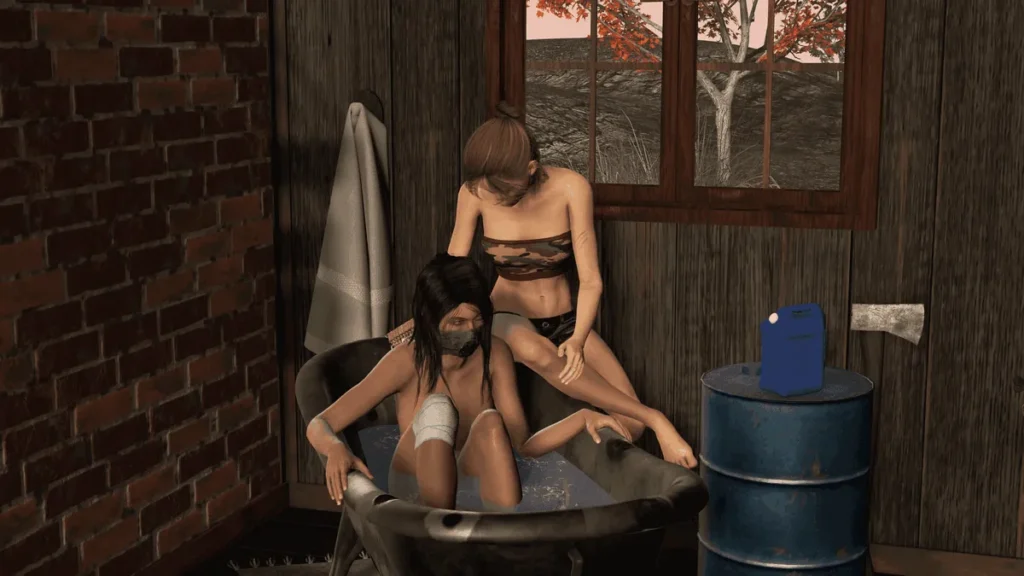
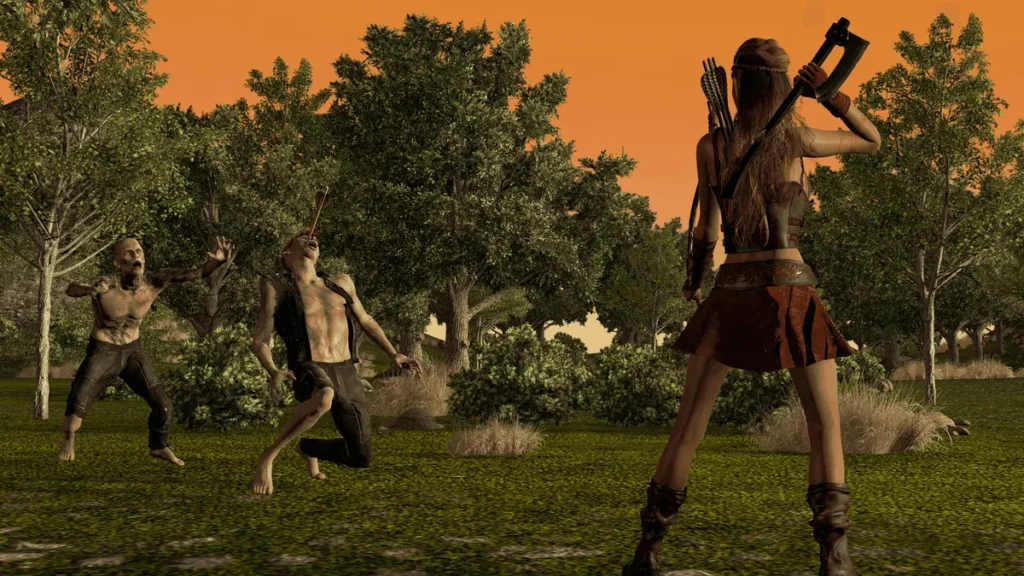
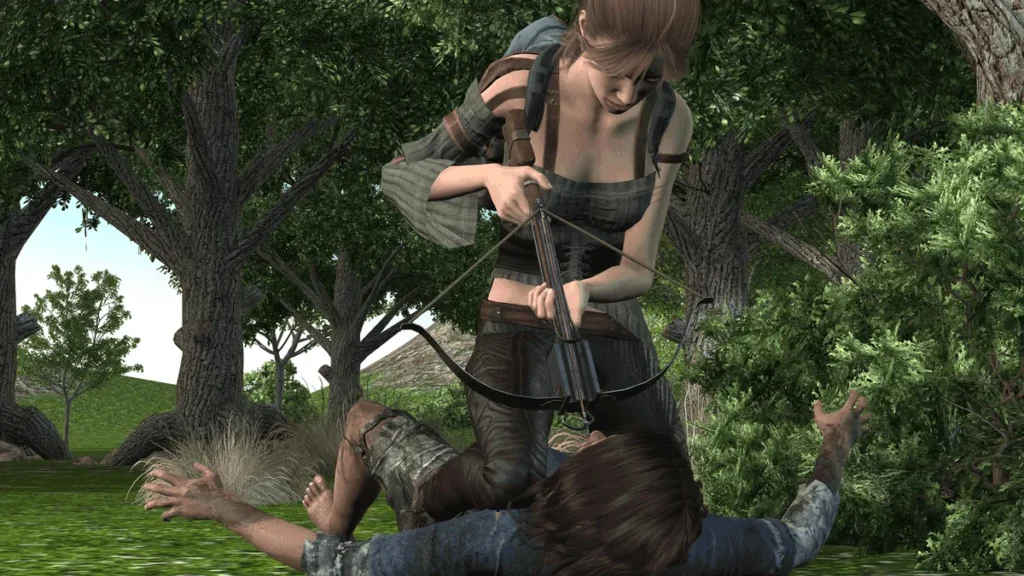

Teen Zombie in Your Cabin review
Explore the unique survival and relationship dynamics of Teen Zombie in Your Cabin
Teen Zombie in Your Cabin is a distinctive survival simulation game that blends emotional storytelling with post-apocalyptic challenges. Set three years after a zombie outbreak, players find themselves isolated in a woodland cabin where they encounter a young zombie girl who is not entirely lost to her condition. This game invites players to nurture her humanity, manage scarce resources, and navigate complex moral choices. If you’re curious about how this game combines survival, roleplay, and adult themes, this article will guide you through its core features and unique gameplay experience.
Understanding the Story and Setting of Teen Zombie in Your Cabin
You’ve finally found a sliver of safety—a weathered cabin deep in the woods, your last sanctuary after the world fell apart. The silence is a relief, but it’s heavy. Every creak of the floorboards is a potential threat, and every shadow hides a memory of what’s been lost. This is the powerful, isolating opening of Teen Zombie in Your Cabin, a game that asks a question most post-apocalyptic survival game titles avoid: what happens when the monster at your door isn’t just a mindless threat, but a broken reflection of humanity? 🤔
This isn’t your standard run-and-gun survival flick. It’s a profound, intimate story where your greatest resource isn’t ammunition, but compassion. The core of the Teen Zombie in Your Cabin story isn’t about conquering the apocalypse; it’s about finding a fragile reason to endure it within the very horror that caused it.
What is the premise of Teen Zombie in Your Cabin?
The premise is brilliantly simple, yet layered with incredible depth. You play a survivor clinging to life in a remote cabin, managing scarce resources and defending against the occasional raider or infected wanderer. The zombie outbreak setting has done its worst, leaving society in ashes and trust in shorter supply than clean water.
One fateful day, your fragile peace is shattered not by a horde, but by a single, stumbling figure. It’s a teenage girl, clearly infected, yet she doesn’t attack with mindless fury. She’s scared, confused, and strangely… lucid. This is your introduction to the young zombie character, whom players come to know as “Maya.” Your first instinct, honed by this brutal world, might be to raise your weapon. But something stops you. A flicker of recognition in her eyes, a whimper instead of a snarl. 🧟♀️➡️👧
This is the pivotal choice that defines the entire experience. Do you see a monster to be put down, or a victim to be protected? The game masterfully makes neither choice feel “correct.” Taking her in means dedicating precious food, managing her unpredictable condition, and hiding her from any other survivors who would see her as a walking biohazard. Turning her away… well, that’s a decision you’ll have to live with in the crushing silence of your cabin.
To quickly break down the core setup, here’s a look at the foundational elements:
| Story Element | Description & Impact |
|---|---|
| The Player’s Role | A weary survivor burdened by loss, tasked with daily survival in an isolated cabin. Your past is a mystery that slowly unravels. |
| The Central Conflict | Not just zombies vs. humans, but hope vs. despair, and compassion vs. pragmatic survival within a brutal zombie outbreak setting. |
| The Cabin | More than a safehouse; it’s a character. It represents sanctuary, prison, and the fragile domesticity you try to rebuild with Maya. |
| Key Gameplay Pillar | The management of two lives: your own and Maya’s. Her needs (safety, “food,” stability) directly conflict with and complicate standard survival tasks. |
The genius of this premise is how it transforms every routine action. Scavenging for canned beans isn’t just for you anymore; you’re wondering if Maya might try some. Boarding up a window isn’t just about keeping threats out; it’s about keeping her safe—and contained, if she has a bad day. This layers the standard cabin isolation gameplay with relentless emotional weight.
Who is the young zombie and what makes her unique?
Maya is the heartbreaking soul of this emotional survival game. She isn’t a prop or a pet; she’s a person trapped in a horrific condition. What makes her unique is her residual consciousness. She can communicate in broken words, gestures, and emotional reactions. She might draw pictures from a fading memory, hum a tune she can’t name, or cower in fear during a thunderstorm. 🌧️
Her “condition” is the game’s central mystery. Why is she different? Was she infected with a weaker strain? Did she have some innate immunity that only partially failed? The game drip-feeds clues through environmental storytelling—perhaps a discarded lab note you find, or a frequency on your old radio mentioning “attenuated subjects.” More poignantly, her state mirrors your own. You are both survivors of trauma, clinging to fragments of who you were. Her struggle to remember her past might force you to confront your own.
Caring for her presents constant, nuanced moral dilemmas in game. She needs a special type of “sustenance” to prevent her from regressing into a feral state. Finding it is dangerous and morally questionable. Do you risk a trip to an overrun clinic for medical supplies that calm her? What lines are you willing to cross to keep this strange, dependent being “alive” and stable? Her presence turns simple inventory management into a series of gut-wrenching ethical choices.
My personal insight? In my first playthrough, I found myself talking to the screen, reassuring Maya when she was frightened. That’s the power of this young zombie character. She breaks the fourth wall of your own desensitization, making you care deeply in a genre often defined by detachment.
How does the post-apocalyptic world shape the gameplay?
The world outside your cabin door is a silent, oppressive character. This isn’t a bustling open world; it’s a necrotic landscape that emphasizes your isolation. The post-apocalyptic survival game mechanics are all filtered through this lens of profound loneliness and constant, low-grade threat.
The cabin isolation gameplay is paramount. You’re not just building a base; you’re attempting to build a home in a world that has ended. Every system reinforces this:
- Resource Management with a Twist: Food, water, and medicine are scarce, but now you’re splitting everything. Do you use the last bandages on yourself after a scavenging injury, or save them in case Maya gets hurt? That herbal remedy that eases your anxiety—could it help calm her nervous system, too?
- Environmental Storytelling: The world tells its story in whispers. A child’s backpack abandoned on a trail, a family photo in a looted house, emergency broadcast snippets about “containment failures.” These fragments slowly paint the picture of the zombie outbreak setting, making the world feel genuinely lived-in and lost.
- Dynamic Threats: The danger isn’t constant, which makes it worse. Days might pass with only the wind as company, lulling you into a false sense of security. Then, a storm rolls in, masking the sound of approaching footsteps. Is it a desperate raider? A wandering infected? Or a group of “Cleaners” who shoot the infected on sight and would see Maya as an abomination? This unpredictability keeps the tension razor-sharp. ⚡
This external pressure constantly tests the fragile bond you’re building. A raid might send Maya into a panic, forcing you to choose between defending your home and soothing her to prevent her from drawing attention. The weather can trap you inside for days, turning the cabin from a sanctuary into a pressure cooker as you and your unusual ward navigate close quarters.
Ultimately, the world shapes the gameplay by making every external survival challenge an internal emotional one. Surviving the winter is a technical goal. Surviving the winter while preserving the last flicker of humanity you’ve found in Maya’s eyes? That is the true, profound victory this game offers. It’s a masterclass in how setting and character can fuse to create a post-apocalyptic survival game that stays with you long after you’ve put down the controller, forever changing how you view the lonely cabin in the woods. 🏠❤️🔥
Teen Zombie in Your Cabin offers a unique blend of survival simulation, emotional roleplay, and mature themes that set it apart from typical games in its genre. By managing resources, nurturing a young zombie’s humanity, and making difficult moral choices, players experience a deeply immersive story full of tension and compassion. Whether you’re drawn to its atmospheric setting, complex relationships, or branching endings, this game invites you to explore how far humanity can stretch in a broken world. Dive into the game and discover your own path in this haunting yet heartfelt adventure.