Unveiling the Unknown
Play Unveiling the Unknown
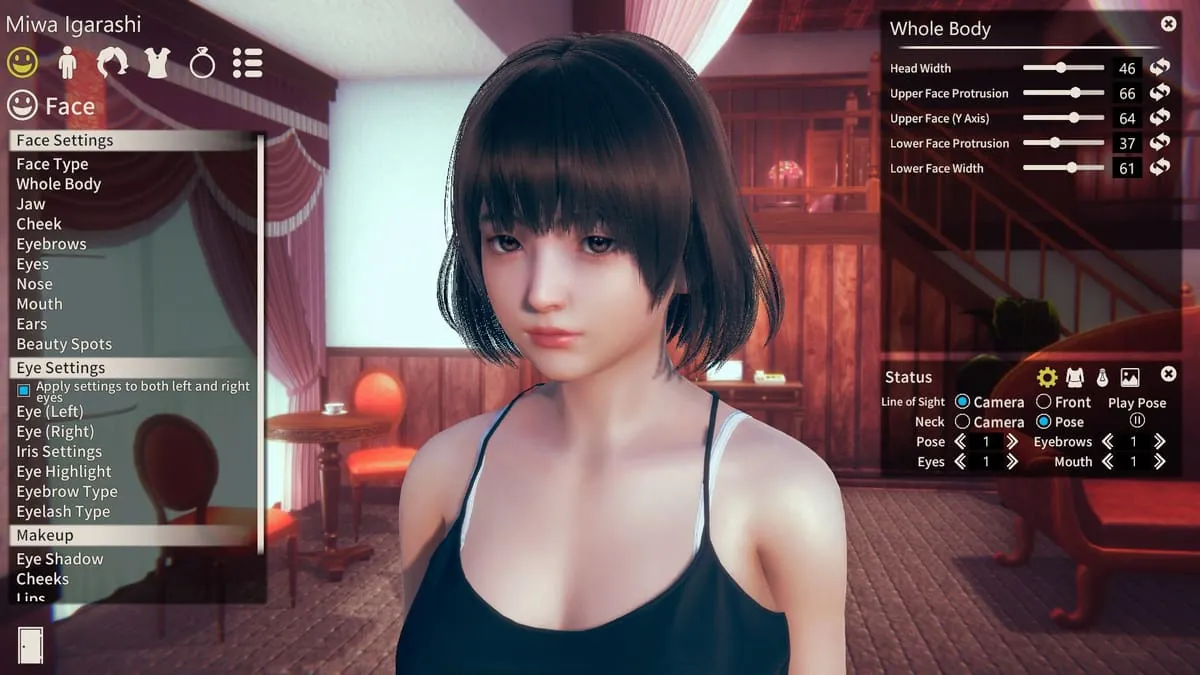
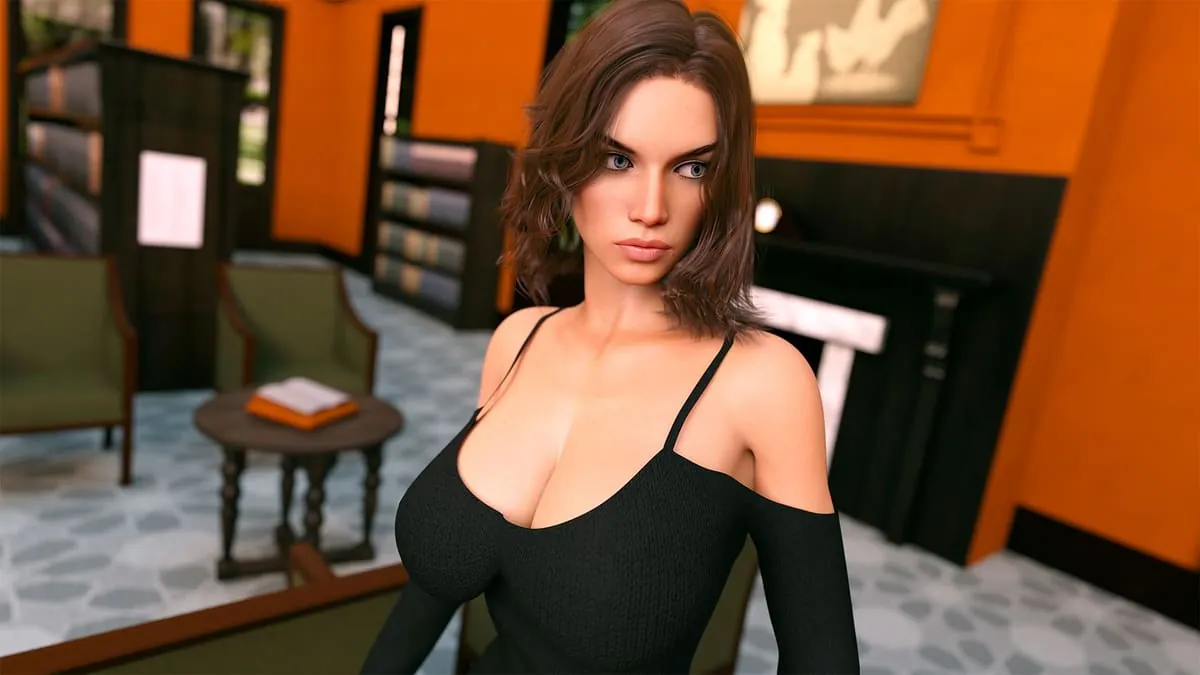
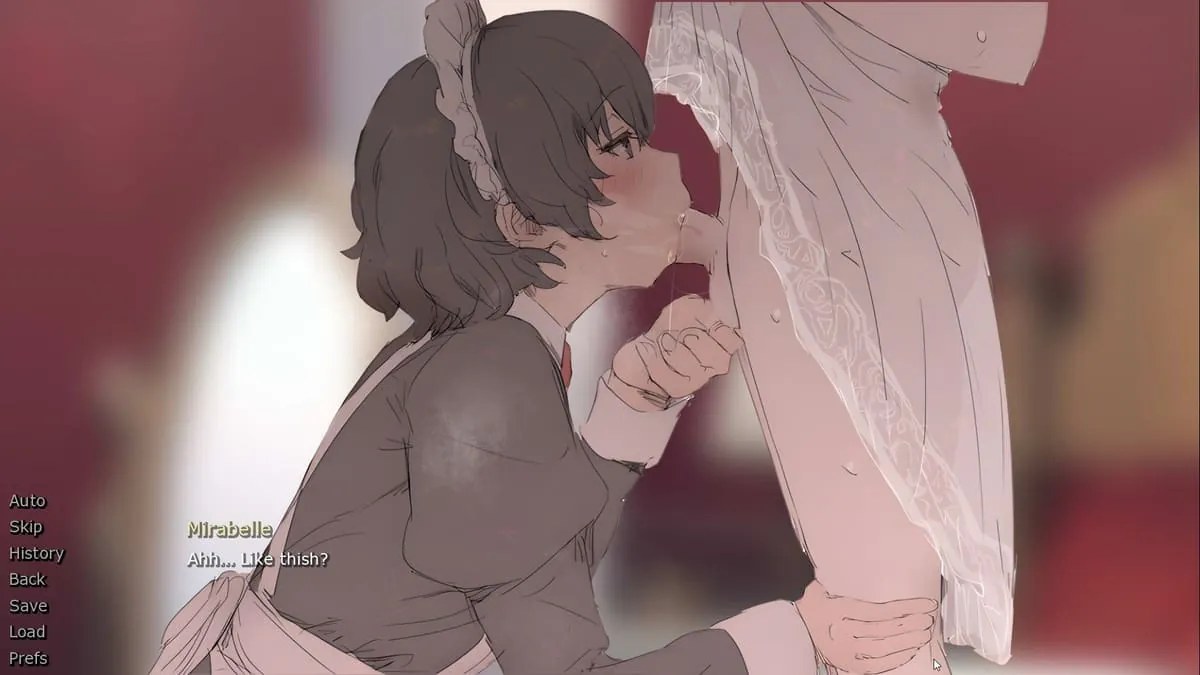
Unveiling the Unknown Screenshots
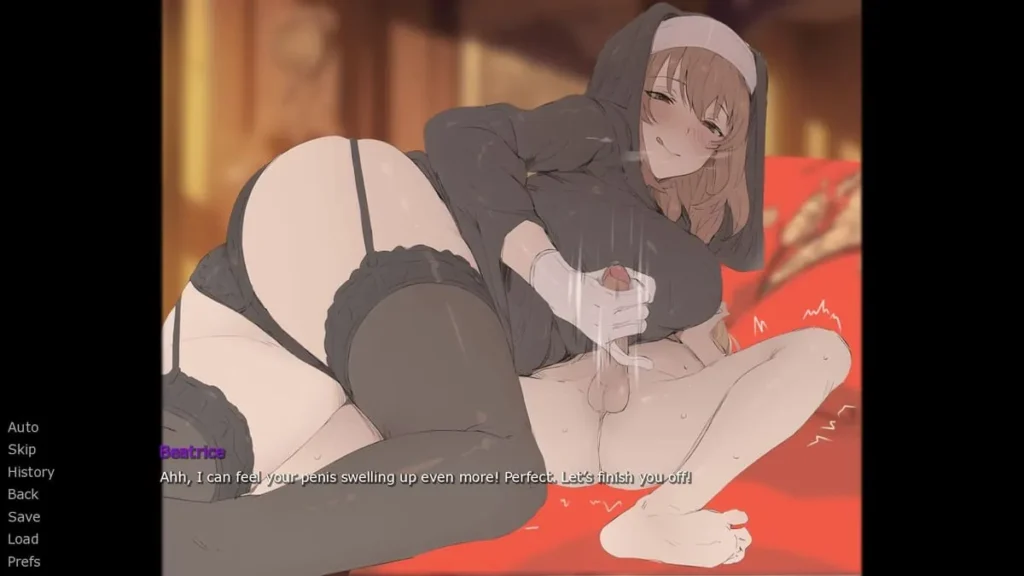
Unveiling the Unknown review
A Deep Dive into the Story, Gameplay, and Unique Features of Unveiling the Unknown
Unveiling the Unknown is a captivating interactive fiction game that draws players into a mysterious world filled with complex characters and a gripping storyline. This game stands out for its rich narrative, immersive gameplay, and the unique way it handles themes like identity and choice. Whether you’re a seasoned player or new to this genre, exploring Unveiling the Unknown offers a compelling experience that challenges your perceptions and decision-making skills.
Discovering the Story and Setting of Unveiling the Unknown
Ever started a game thinking you knew exactly what you were in for, only to have it quietly dismantle your expectations piece by piece? That was my exact experience with Unveiling the Unknown. I booted it up, ready for a standard supernatural mystery, and instead found myself completely absorbed in a deeply personal, 49-day struggle against the unseen. It’s more than a game; it’s a slow-burn character study set against a backdrop of pervasive dread. 😨
This chapter is our deep dive into the heart of that experience. We’re pulling back the curtain on the rich Unveiling the Unknown story, meeting its compelling inhabitants, and exploring how every element—from the fog-drenched streets to the choices you whisper—conspires to create one of the most memorable narratives in interactive fiction. Let’s begin.
What is the central plot of Unveiling the Unknown?
At its core, the Unveiling the Unknown story is a race against time, measured in whispers and worry. You play as an exorcist, a profession that sounds grandiose but here feels weary and personal, arriving in the isolated, rain-slicked town of Duskwood. Your assignment? You have precisely 49 days to identify and confront the source of a spreading spiritual corruption before it consumes everything.
But forget epic battles with roaring demons (at least at first). The true interactive fiction game plot unfolds through investigation, conversation, and survival. Each day, you navigate a deceptively simple grid-like map, choosing which beleaguered resident to visit, which eerie location to investigate, or whether to spend precious hours fortifying your own spiritual defenses. 🗓️
The core loop is deliciously tense: every action costs time, and time is the one resource you can never get back.
What elevates this plot from good to great is how it integrates your identity. During character creation, you don’t just pick a class—you define a person. You choose your gender identity, your personal history (were you a skeptical academic or a faith-driven novice?), and your reasons for taking this lonely job. These aren’t cosmetic choices. They directly shape dialogue options, how certain characters perceive you, and even which spectral clues you might be sensitive to. This layer makes the Unveiling the Unknown narrative depth truly remarkable; you’re not just solving a town’s mystery, you’re defining who your exorcist is through the crisis.
I remember on my first playthrough, I made a brash, confident exorcist. I charged into haunted sites, demanding answers. The town shut me out. My failure was not in combat, but in understanding. The plot isn’t something that happens to you; it’s something you gently, carefully unravel with the community, and your own character’s traits are the tools you use to do it.
How does the setting enhance the game’s atmosphere?
If the plot is the timer, then the game setting and atmosphere are the weight that makes every second feel heavy. Duskwood isn’t just a backdrop; it’s the game’s most important character. 🏚️
The town is presented as a series of interconnected nodes on a map—a clinic, a boarded-up church, the dense woods, a few crumbling homes. This limited, grid-like structure brilliantly reinforces the feeling of claustrophobia. You can see the entire world, yet it feels inescapable. The corruption isn’t some distant threat; it’s in the next square over, creeping closer as the days pass.
Visually and awrally, the atmosphere is a masterclass in subtle horror. The palette is all muted grays, deep greens, and the oppressive gloom of constant drizzle. Sound design is sparing: the crunch of gravel underfoot, the distant cry of a crow, the unsettling silence of a normally busy location. You’re not jump-scared; you’re uneased. The horror in Unveiling the Unknown is environmental, a slow seep of wrongness into ordinary places.
This impeccable game setting and atmosphere does more than just set a mood. It directly informs the interactive fiction game plot. The oppressive weather might limit where you can travel on a given day. The way the streetlights flicker in one district could be the only clue you get about where to investigate next. The town itself is both your prison and your primary source of clues, making exploration a constant, low-key stressful delight.
Who are the key characters and what roles do they play?
The heart and soul of the Unveiling the Unknown story beats within its residents. These aren’t quest dispensers; they are flawed, frightened people trying to maintain normalcy in the face of the impossible. Your relationships with them are the bedrock of the entire experience.
Each character has their own schedule, secrets, and shifting tolerance for your presence. The reclusive historian might hold the key to the town’s past sins, but he’ll only talk if you’ve first helped the weary nurse at the clinic. The skeptical mayor can grant you access to restricted areas, but only if you prove your methods aren’t making the problem worse.
Here’s a breakdown of some pivotal Unveiling the Unknown characters and how they weave into the tapestry of your 49 days:
| Character | Role & Personality | Influence on Your Journey |
|---|---|---|
| The Caretaker | The first person you meet. A weary, practical soul who manages the town’s few functional buildings. Deeply rooted in Duskwood but haunted by recent events. | Your primary source of local gossip and practical resources. Their trust is your anchor, and their fears often point to the most active areas of corruption. |
| Elara | A young artist who sees vivid, disturbing visions in her sleep. Fragile and sensitive, often dismissed by other townsfolk as “just imaginative.” | A living early-warning system. Her dreams can provide cryptic, crucial clues about the nature of the threat, but protecting her mental state becomes a delicate side-mission. |
| Dr. Reed | The town’s only physician. A rationalist struggling to treat physical symptoms with no apparent cause. Exhausted and skeptical of your “spiritual” methods. | Represents the conflict between science and the supernatural. Gaining his respect can unlock medical insights into the corruption, but it requires speaking his language of proof. |
| The Veteran | Lives alone in the woods. Seen as a gruff hermit, but possesses firsthand knowledge of a similar event decades prior. Guarded and traumatized. | Holds the key to historical cycles. Unlocking his story is often essential to understanding the *true* nature of the 49-day cycle, but he will test your resolve. |
Your interactions with these and other Unveiling the Unknown characters are the engine for the multiple endings game structure. Every favor, every harsh word, every moment of comfort you provide is tracked. Did you invest time in comforting Elara, or did you dismiss her as unstable? Did you ally with Dr. Reed’s scientific approach, or did you lean into the Veteran’s harsh truths? These relationships determine who stands with you in the final days, what knowledge you have access to, and ultimately, which of the several profoundly different endings you unlock.
This is where the game’s treatment of gender identity in games shines with quiet normalcy. How characters react to you—whether with initial trust, suspicion, or familiarity—can be subtly filtered through their own biases and your expressed identity. It’s not a monolithic “everyone is accepting” or “everyone is bigoted” approach; it’s nuanced, making the social layer of the investigation feel authentically complex.
In the end, discovering the Unveiling the Unknown story and its world is about embracing that slow, deliberate pace. It’s about understanding that the deepest mysteries aren’t always in the haunted house, but in the heart of the person who refuses to go near it. Your 49 days in Duskwood will stay with you long after the final choice, a testament to the power of an interactive fiction game plot that truly puts its characters—and your choices—first. ✨
Unveiling the Unknown offers a rich, immersive experience that combines a compelling story with meaningful player choices. Its unique approach to character development and narrative complexity makes it a standout in interactive fiction. Whether you enjoy exploring deep themes or engaging with diverse characters, this game provides a memorable journey worth experiencing. Dive in and uncover the mysteries that await.