A Failure to Launch
Play A Failure to Launch
A Failure to Launch Screenshots









A Failure to Launch review
Exploring the Steam drama that halted this explicit title’s early access dreams
Imagine pouring your heart into crafting ‘A Failure to Launch,’ an bold adult game packed with mature themes, only to have Steam slam the door on your early access dreams. That’s exactly what happened when Valve rejected this title, citing their new stance against explicit content in development phases. As someone who’s followed indie game struggles closely, I remember the buzz when devs first teased this project—promising steamy narratives and innovative gameplay. But payment processor pressures changed everything. In this piece, we’ll dive into the rejection saga, what it means for adult creators, and how you can still explore similar experiences. Stick around for insider tips and my take on fighting back.
Why Did ‘A Failure to Launch’ Fail Steam’s Review?
I was scrolling through my Steam discovery queue last week, looking for hidden indie gems, when a headline stopped me cold. “A Failure to Launch” had been blocked. Not just delayed. Rejected. The adult game early access denied notice was spreading across forums like wildfire. I clicked the link, expecting the usual vague corporate speak. Instead, I found a story that perfectly captures the messy intersection of creativity, commerce, and questionable policy.
Let me walk you through exactly what happened, why it matters, and what it means for every developer watching their dreams get crushed by a system that keeps moving the goalposts.
Valve’s New Policy on Explicit Early Access Games
The developer of “A Failure to Launch” received a short, brutal message from Valve. I’ll quote it directly here because it contains the precise reasoning that has so many creators fuming:
“Your app has failed our review because we’re unable to support the Early Access model of development for a game with mature themes.”
Read that again. Valve’s official position is that they cannot support Early Access for a game with mature content. This is the heart of the A Failure to Launch Steam rejection. The mature themes Early Access failure isn’t about quality, bugs, or incomplete features. It’s about the nature of the content itself. The developer had been working on this title for over a year, building a community, sharing progress updates, and preparing for a public launch. Now that work is essentially wasted.
This policy shift is relatively recent. Valve has historically allowed adult games on their platform, provided they followed specific guidelines. But Early Access was always a grey area. The Valve explicit content policy used to be simple: if your game followed the rules, you were welcome. Now, the rules are narrowing.
What changed? The pressure came from above. Payment processors adult games have become a massive headache for Valve. Companies like Visa, Mastercard, and PayPal have very strict rules about what they’ll process. They see explicit content as a reputational risk. When a payment processor threatens to pull support, storefronts like Steam and itch.io are forced to comply.
The Role of Payment Processors in Game Rejections
Let me tell you a story that explains the real problem here. A few months ago, a major payment processor sent a quiet warning to several game platforms. The message was clear: “Clean up your adult content, or we clean up our relationship with you.” This isn’t public knowledge, but it’s an open secret among indie devs. The why Steam rejects porn games question has a simple answer: it’s not because Valve hates adult content. It’s because their business partners do.
The situation creates a weird double standard. You can buy a game that features graphic violence, realistic gore, and morally questionable choices from the same storefront. But show a pixelated nipple, and you’re in trouble. It’s not about morality. It’s about perceived financial risk.
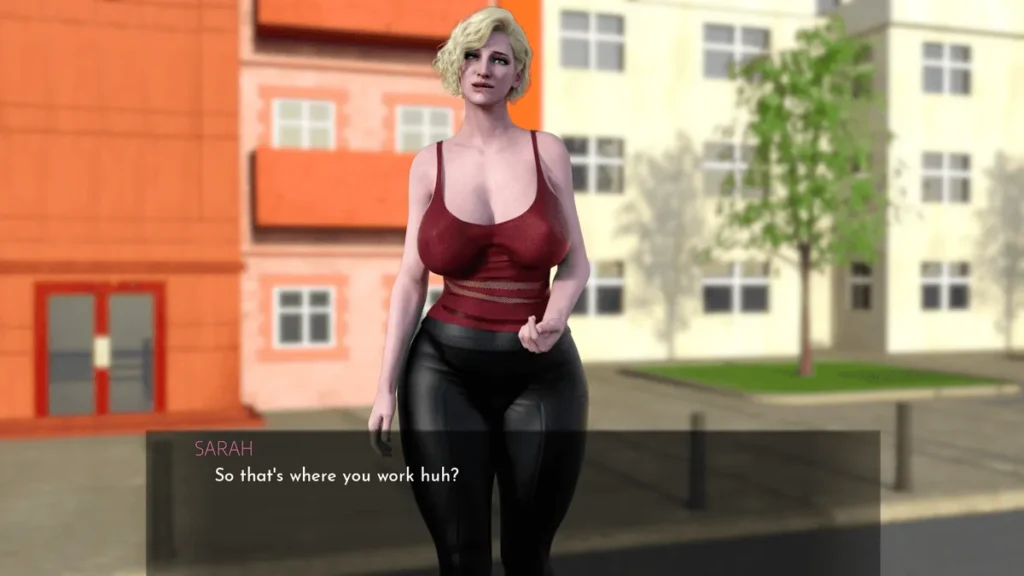
For the team behind “A Failure to Launch”, this was a death sentence. Their game features explicit sexual content as a core mechanic. It’s not a side element or a hidden scene. It’s woven into the gameplay loop. The A Failure to Launch game block happened because Valve’s internal review team decided that these mechanics couldn’t survive the Early Access process under the current payment processor guidelines.
Let me break down exactly how the policies have shifted. Here’s a comparison table that shows the change:
| Policy Aspect | Previous Rule | Current Rule | Impact on Devs |
|---|---|---|---|
| Early Access eligibility | Allowed for all genres with proper labeling | Restricted for mature themes unless fully complete | Forces complete development before monetization |
| Content review process | Focus on legal compliance and basic guidelines | Includes payment processor risk assessment | Subjective rejection without clear appeal path |
| Payment integration | Steam handles all transactions | External processor requirements influence policy | Devs lose leverage and face unpredictable blocks |
| Community updates | Patch notes and development blogs accepted | Must prove content won’t violate processor terms | Slows development and reduces transparency |
Developer Reactions and Community Backlash
If you want to understand the emotional weight of this rejection, imagine spending eighteen months building something you love. You’ve funded it yourself. You’ve shared concept art. You’ve listened to feedback from your small but dedicated community. Then, weeks before launch, someone tells you it’s all worthless.
That’s the reality for the creator of “A Failure to Launch”. The developer posted a statement on social media that was equal parts frustration and resignation. They described the months of work, the sleepless nights, the sacrifices made to bring this vision to life. The adult game early access denied notice wasn’t just a business setback. It was a personal failure imposed by an invisible committee.
The community response has been intense. Forums are filled with arguments for and against the decision. Some users defend Steam’s right to curate their platform. Others point to the hypocrisy of allowing violent games while blocking adult content. The discussion has exposed a deep divide in the gaming community about what should be acceptable.
A porn lobbyist group has been actively pressuring storefronts to be more transparent about their criteria. They argue that the current system is arbitrary and targets adult content specifically while ignoring other potentially problematic themes. The resistance from developers and users is growing. More creators are speaking out about their own rejections, forming a united front against what they see as censorship disguised as policy.
Practical advice for developers: If you’re working on an adult game, don’t rely on Early Access. Plan for a complete launch from day one. Build a website, set up your own payment system, and maintain a mailing list. Steam is a distribution channel, not a guarantee. The A Failure to Launch Steam rejection should serve as a warning to everyone in this space.
The broader implications are troubling. If payment processors can effectively dictate what games get released, we’re entering a world where creativity is secondary to corporate risk management. The next step might be restrictions on political content, controversial themes, or anything that doesn’t align with a narrow vision of acceptable art.
The game itself is still in development. The creator is exploring alternative platforms and direct sales. But the dream of a Steam Early Access launch is dead. And until the industry addresses the payment processors adult games issue, more developers will face the same heartbreaking reality.
The saga of ‘A Failure to Launch’ shines a light on the tough realities facing adult game creators, from Steam’s policy shifts to external pressures. We’ve unpacked the rejection details, dev struggles, and paths forward—proving resilience in indie scenes. If you’re a fan of mature titles or an aspiring maker, don’t let this story discourage you; it fuels the fight for creative freedom. Dive into alternative platforms today, support affected devs, and share your thoughts below. What’s your take on Steam’s stance? Let’s keep the conversation going.