Foot of the Mountains 2
Play Foot of the Mountains 2
Foot of the Mountains 2 Screenshots

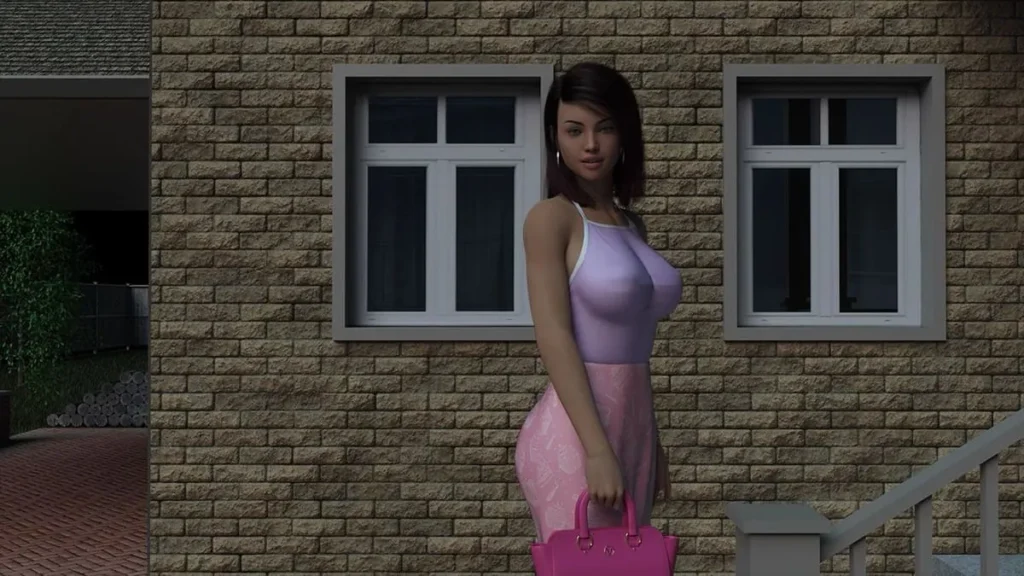

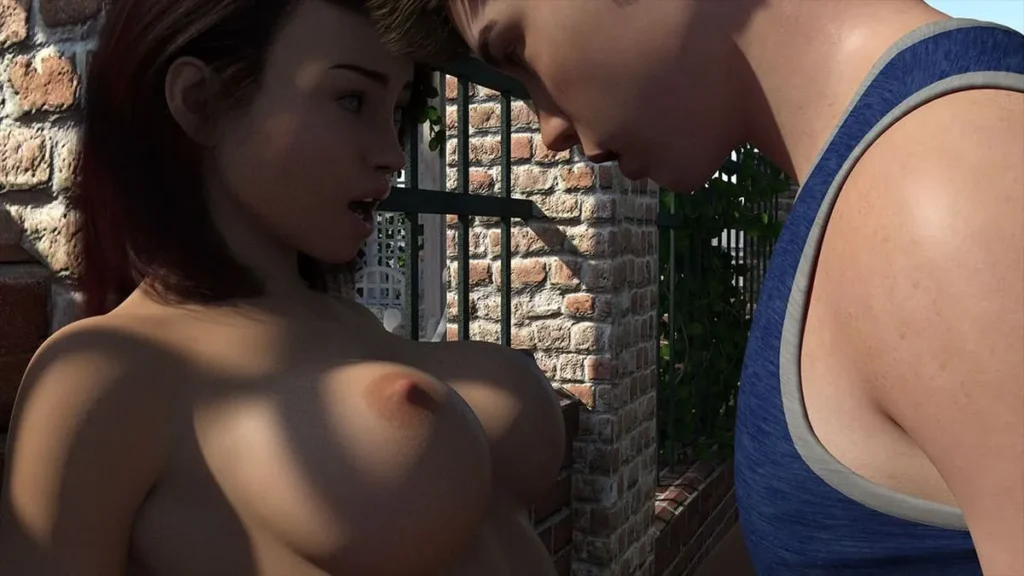



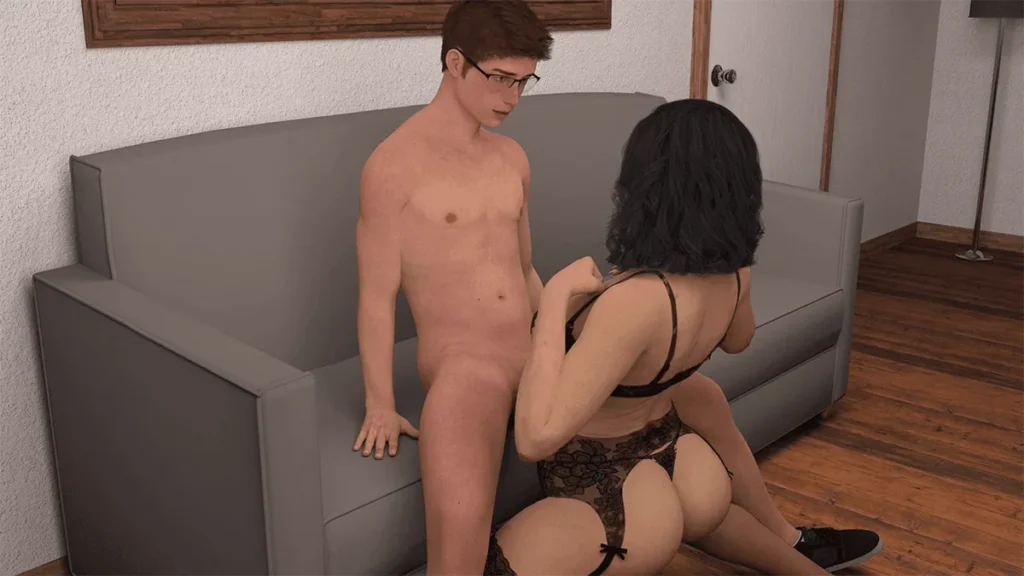


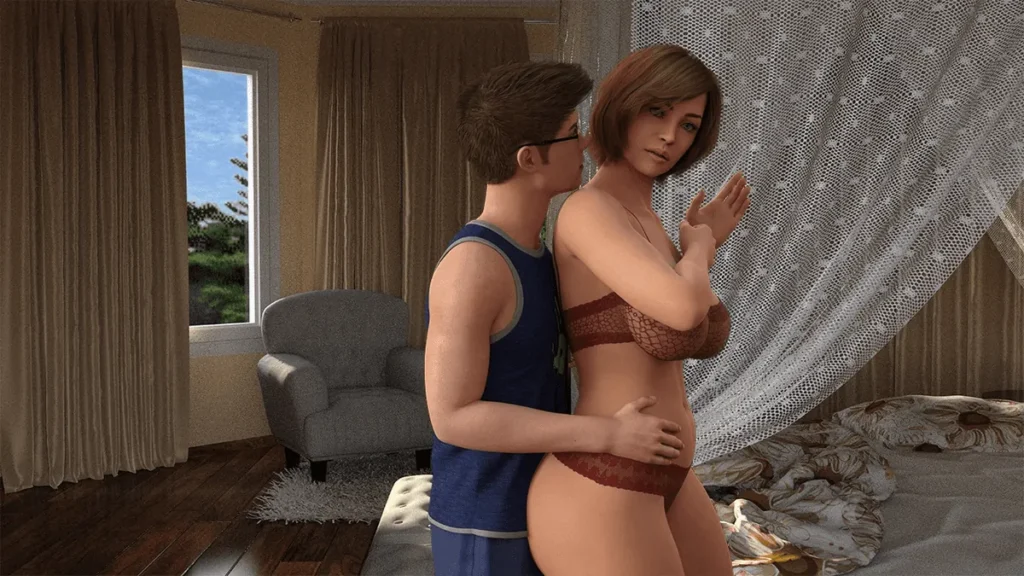
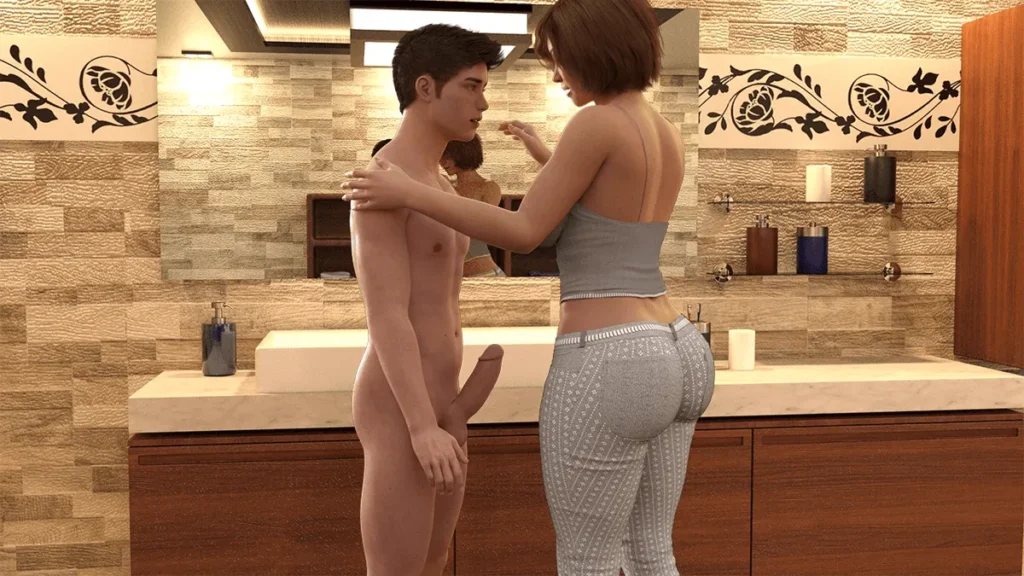
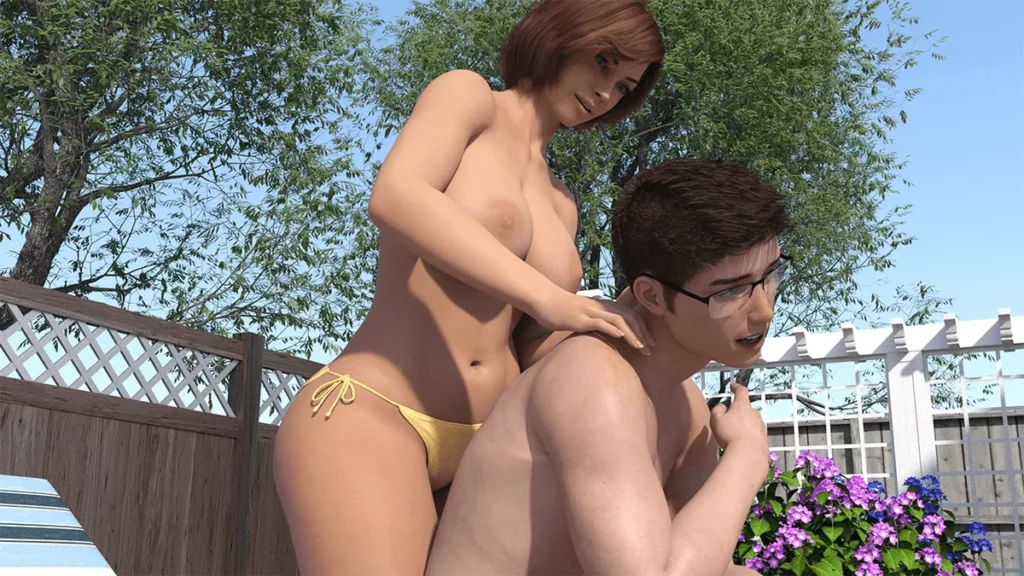
Foot of the Mountains 2 review
Master every quest, unlock all scenes, and navigate the full storyline
Foot of the Mountains 2 is an adult adventure game that challenges players to navigate a complex narrative filled with character relationships, multiple quest lines, and branching storylines. Whether you’re returning home after a tragedy or exploring the mysteries that unfold, this game demands strategic decision-making and careful attention to character interactions. This comprehensive guide walks you through every major quest, explains how to unlock all scenes, and reveals the consequences of your choices throughout the game. From initial setup to endgame scenarios, you’ll find everything needed to experience all content this title has to offer.
Getting Started: Installation, Setup & Game Basics
So, you’ve decided to dive into the charming, story-rich world of Foot of the Mountains 2? 🎮✨ Excellent choice! I remember the mix of excitement and slight panic I felt when I first launched the game. I had heard about its deep narrative and intricate character relationships, but staring at the opening screen, I realized I was utterly unprepared for how much my daily choices would matter. My first playthrough was… well, let’s just say I spent three in-game days accidentally giving the wrong gift to everyone and missing a crucial story trigger because I was in the wrong place at the wrong time. Don’t be like past me! This guide is designed to get you from a fresh download to a confident player, ready to master every quest and unlock all those coveted scenes. Let’s start at the very beginning.
System Requirements & Installation Steps
Before we get lost in the mountain vistas and character dramas, we need to make sure your PC is ready for the journey. A smooth Foot of the Mountains 2 installation is the first step to a frustration-free experience. There’s nothing worse than game-breaking stutters during a pivotal conversation!
The system requirements are quite modest, which is fantastic for a game with so much content. You won’t need a top-of-the-line rig to enjoy this narrative gem. Here’s exactly what you’ll need:
| Component | Minimum Specification |
|---|---|
| Operating System | Windows 10 64-bit |
| Processor (CPU) | Intel Core i5 or equivalent |
| Memory (RAM) | 1 GB |
| Graphics (GPU) | 2 GB dedicated memory |
| Storage | 4 GB available space |
Meeting these specs means the game will run, but for a truly buttery-smooth experience, especially if you want to appreciate all the visual details, having a bit more power is always a good idea. 🖥️✅
Now, for the main event: the Foot of the Mountains 2 installation process itself. It’s straightforward, but a few key steps can save you headaches. I learned this the hard way after skipping a runtime file and dealing with cryptic error messages for an hour!
Follow this simple checklist for a perfect setup:
- Download & Extract: Once you have your game files, you’ll likely need to extract them. Right-click the downloaded archive (usually a .rar or .zip file) and choose “Extract Here” or use a tool like WinRAR. Choose a location you’ll remember, like a dedicated
Gamesfolder on your drive. - Run the Installer: Inside the extracted folder, look for the main setup file (often
Setup.exeor similar). Here’s a pro tip from my own blunders: Right-click this file and select “Run as administrator.” 🛡️ This gives the installer the permissions it needs to place files in the correct system directories, preventing those pesky “access denied” errors. - Install Runtime Files: This is the most crucial step many overlook! The installer will often prompt you to install additional software like DirectX or Visual C++ Redistributables. DO NOT SKIP THESE. Say “Yes” or “Install” to everything it offers. These are essential libraries the game needs to function, and without them, it might not launch at all. Consider this the foundation of your game setup guide.
- Launch and Play: After installation completes, you can usually launch the game from a newly created desktop shortcut or start menu entry. Double-click, and the world of Foot of the Mountains 2 awaits!
With the technicalities out of the way, you’re ready to step into the game. But before you click “New Game,” let’s get you familiar with your new digital home.
Understanding the Game Interface & Foot of the Mountains 2 Controls
The first time you load into Foot of the Mountains 2, the interface might seem a bit minimalist. That’s by design! The developers want you focused on the world and characters, not overwhelmed by icons. However, knowing what each element does is key to mastering the game.
The main screen during exploration is clean. Your current location is usually displayed at the top or bottom corner. Your character’s portrait and vital stats (like energy or mood) might be subtly tucked away in a corner. The real magic happens with your cursor. Hovering over people or objects will change its icon, indicating you can talk, examine, or interact.
Now, let’s talk about the Foot of the Mountains 2 controls. This isn’t a twitch-reflex action game; it’s a narrative-driven experience. The controls are designed for precision and choice.
- Primary Interaction: Almost everything is done with the left mouse button. Click to walk to a spot, click on a character to talk, click on an item in your inventory to select it.
- Menu Access: Pressing the Esc key or clicking a menu icon (often in a corner) will bring up your main menu. This is your hub for saving, loading, adjusting settings, and accessing your inventory and quest log.
- Dialogue Choices: When in conversation, choices appear as clear text boxes. Simply click your selection. There’s often a timer (visible or invisible), so listen carefully and don’t dawdle too long!
- Camera & Exploration: Some scenes allow for limited camera panning by moving your cursor to the edge of the screen or by clicking and dragging. Experiment to see all the beautiful details the artists have included.
🎯 Personal Insight: I highly recommend spending your first few minutes just clicking on everything non-essential. Examine books on shelves, look at posters, inspect trees. This gets you used to the control feel and often reveals charming bits of world-building or even hidden items!
Mastering these controls is your first step toward fluent gameplay. But to truly thrive, you need to understand the three pillars that hold up the entire Foot of the Mountains 2 experience.
Core Mechanics: Inventory, Time Management & Character Interaction
This is where Foot of the Mountains 2 separates itself from simpler visual novels. The deep integration of inventory management, time management gameplay, and character interaction mechanics creates a living, breathing world that reacts to your choices. Let’s break down each pillar.
The Art of Inventory Management
Think of your inventory not as a backpack, but as a toolkit for relationship building and problem-solving. You’ll collect gifts, quest items, and personal effects. Early on, space can feel limited, so be smart.
- Gifts are Golden: Each character has preferred items. Giving the right gift drastically boosts your relationship points. I used to hoard “rare” items, thinking I’d need them later. Big mistake! Use gifts early and often to unlock new dialogue options faster. Check character descriptions or pay attention to their comments for clues about what they like.
- Quest Items are Key: Some items are only for specific quests. If something seems obscure (like a “Shiny Pebble” or “Faded Letter”), don’t sell it or discard it! Store it. The game’s inventory management is about knowing what to keep for the long haul.
- Organization: The inventory is usually sorted by type. Use this to your advantage. Before starting a new day, review what you have and plan who you might want to give gifts to.
Mastering Time Management Gameplay
This is arguably the most critical skill in the game. The world operates on a persistent clock. Characters have daily schedules—they work, relax, and sleep in specific locations at specific times. ⏰
- A Schedule is Your Best Friend: Your first few days should be dedicated to reconnaissance. Follow characters (discreetly!) to learn when they are at the café, the library, or the park. I make simple real-world notes on my phone: “Elena – 2 PM to 4 PM: Library. Best time to talk.“
- Energy & Actions: Each action, like walking across town or having a long conversation, consumes time and sometimes your character’s energy. You can’t do everything in one day. Prioritize. Is today about advancing the main story, or building a bond with a specific character?
- Triggering Events: Many quests and special scenes only become available at a precise time and location. If a quest seems stuck, the solution is almost always related to time management gameplay. Try visiting the relevant area at a different hour.
Driving the Story with Character Interaction Mechanics
Everything feeds into this. Your inventory management provides gifts. Your time management gameplay gets you to the right person at the right time. The payoff is in the conversation.
- Relationship Levels: Every meaningful interaction moves a hidden (or sometimes visible) relationship meter. Higher levels unlock new dialogue branches, private backstories, and ultimately, determine which ending paths become available. The character interaction mechanics are the heart of the narrative.
- Choice & Consequence: Dialogue choices are rarely just “good” or “bad.” They reflect your personality and intentions. Choosing a humorous option might endear you to one character but seem flippant to another. Your choices in key story moments can lock or unlock entire character arcs later. In my second playthrough, a single supportive sentence I said on Day 3 led to a completely different, heartbreaking confession on Day 25.
- Listening is Key: This isn’t a game where you can rapidly click through text. Characters will mention their worries, hobbies, and plans. This information is your guide for gifts and for knowing where they’ll be later. Active listening is the most powerful tool in your character interaction mechanics toolkit.
By weaving these three systems together—managing your items, planning your day, and engaging thoughtfully with others—you stop simply playing the game and start living within it. You’ll stop missing triggers and start creating opportunities. Remember my disastrous first playthrough? On my third, by applying these basics, I unlocked a beautiful scene at the mountain’s summit at sunset that I didn’t even know existed. That’s the magic of Foot of the Mountains 2.
Now that you’re equipped with the knowledge for a flawless Foot of the Mountains 2 installation, a clear understanding of the system requirements, a solid game setup guide, and the core strategies for inventory management, time management gameplay, and character interaction mechanics, you’re ready to step beyond the basics. The mountains are calling. Your story begins now. Happy exploring! 🏔️❤️
Foot of the Mountains 2 offers a rich, choice-driven experience where your decisions genuinely shape the narrative and available content. From the initial setup following Daniel’s tragic discovery through the complex web of relationships and investigations, every choice matters. By understanding the game’s mechanics, planning your approach strategically, and recognizing how your decisions create branching paths, you can unlock the full depth of what this title offers. Whether you’re pursuing specific character routes, seeking all available scenes, or aiming for complete 100% completion, this guide provides the roadmap needed to navigate every aspect of the game. Take your time exploring the story, experiment with different choices across multiple playthroughs, and discover how your decisions reshape the narrative landscape. The mystery of what happened to Daniel’s parents, combined with the complex relationships you build along the way, creates a compelling experience that rewards careful attention and strategic planning.